Inside Our Lodge
If Walls Could Talk, What A Story They Would Tell!
Lodge St. Olaf can be found on Serald Lane, Cruden Bay. Our Lodge rooms are visible in the centre-left of the bird’s-eye view.
It is a modest little building that has stood there for over 150 years, and for nearly 60 of those years it has served as a Masonic Lodge.
Before that, it was used as stables for the bakery, which was the building immediately to the right, the front of which sits on Bridge Street, directly across the road from the Kilmarnock Arms Hotel.
The stables were purchased by the Lodge from Simmers of Hatton in the mid-1960s and renovated by the brethren. The building was then consecrated as a Masonic Lodge in 1969.
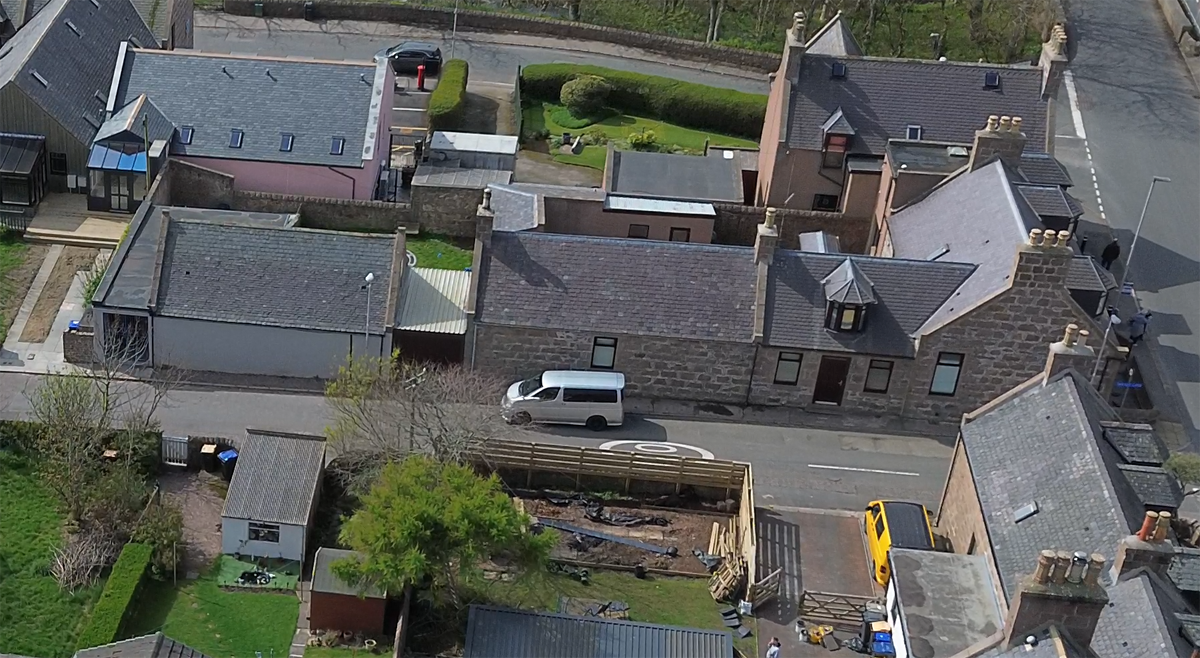
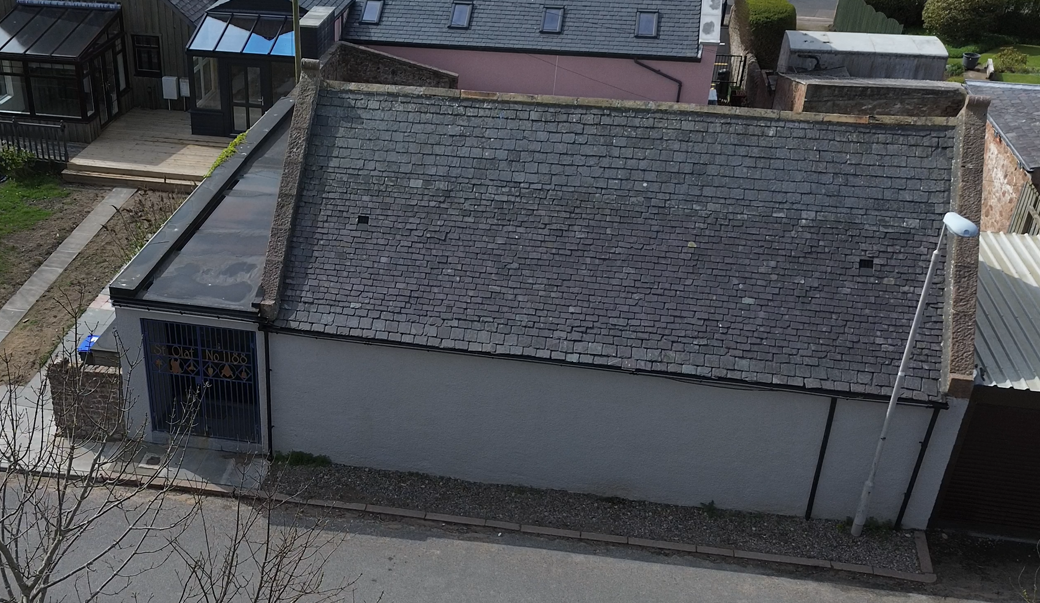
As you can see from the overhead view, the Lodge building is in 2 distinct parts, the original being the part with the pitched roof, and an extension with a flat roof (to the left and rear) which was built at the time of the renovation.
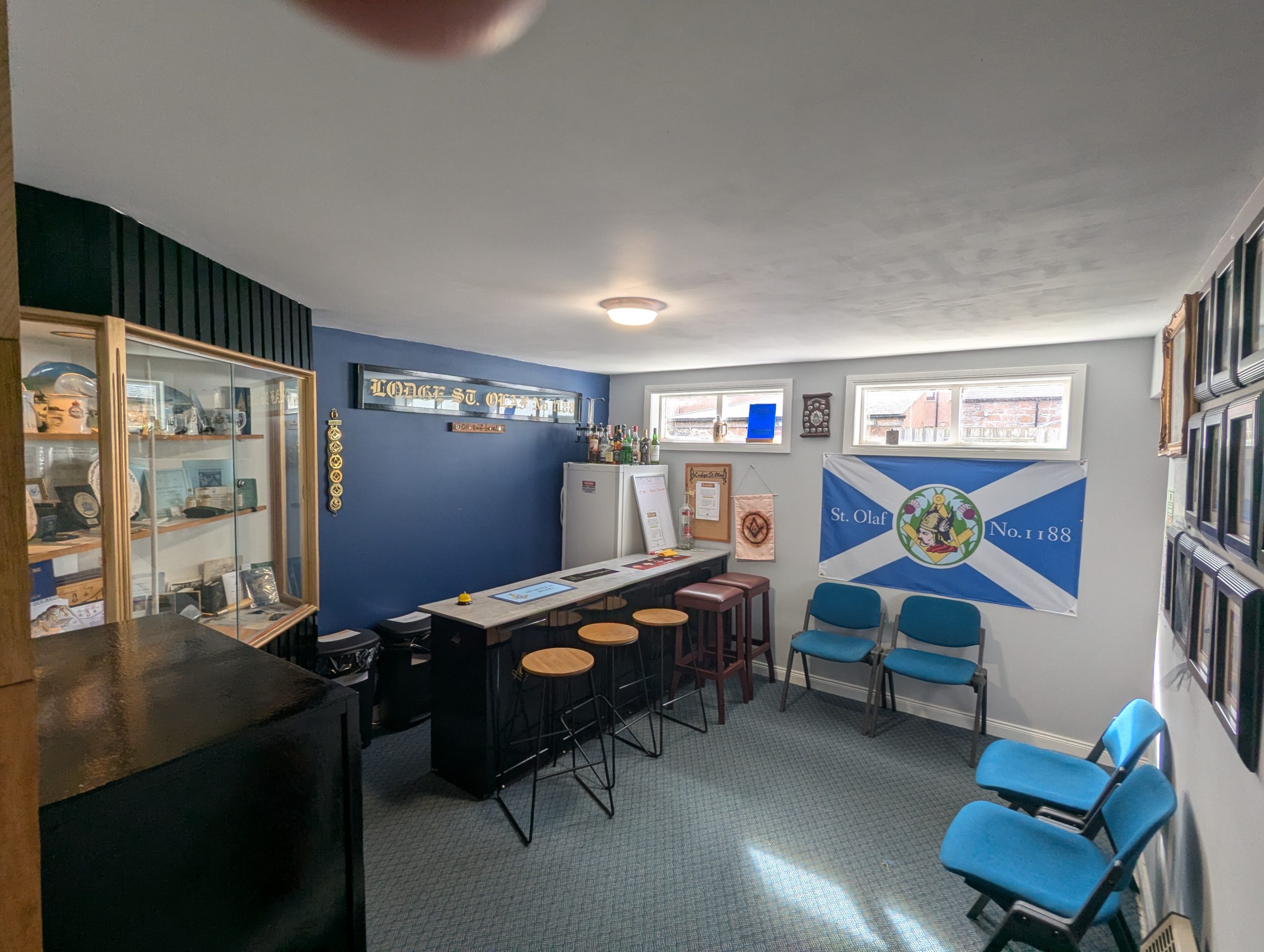
The section with the pitched roof contains the Masonic temple, while the extension houses a small foyer – cloakroom, an open-plan entrance hall and kitchen area, a WC, and a social room now known as ‘The Level‘.
On the right hand gable of the building, above the garage which joins the Lodge buildings to ‘The Bakehouse’ there is a small square apperture which was originally a hay-loft, it’s this part of the gable which is the external part of the ‘Stained Glass Window‘ which can be see from within the temple itself.
The Treasures of Lodge St Olaf
The Lodge rooms and temple of Lodge St. Olaf contain many unique and historic items, each with its own story and connection to the Lodge and its Brethren. From ceremonial furnishings and photographs to documents and gifts presented over the years, these items reflect important moments in the history and traditions of the Lodge.
Carefully preserved through generations of members, they serve as reminders of the fellowship, dedication, and community spirit that have shaped Lodge St. Olaf for more than a century. Some commemorate significant milestones in the Lodge’s history, while others honour Brethren whose contributions left a lasting mark on both the Lodge and the wider community of Cruden Bay.
This page preserves and shares some of those stories for future generations, while also offering visitors an insight into the rich heritage, traditions, and enduring sense of brotherhood that continue to define Lodge St. Olaf today.
The Threshold of Our Lodge
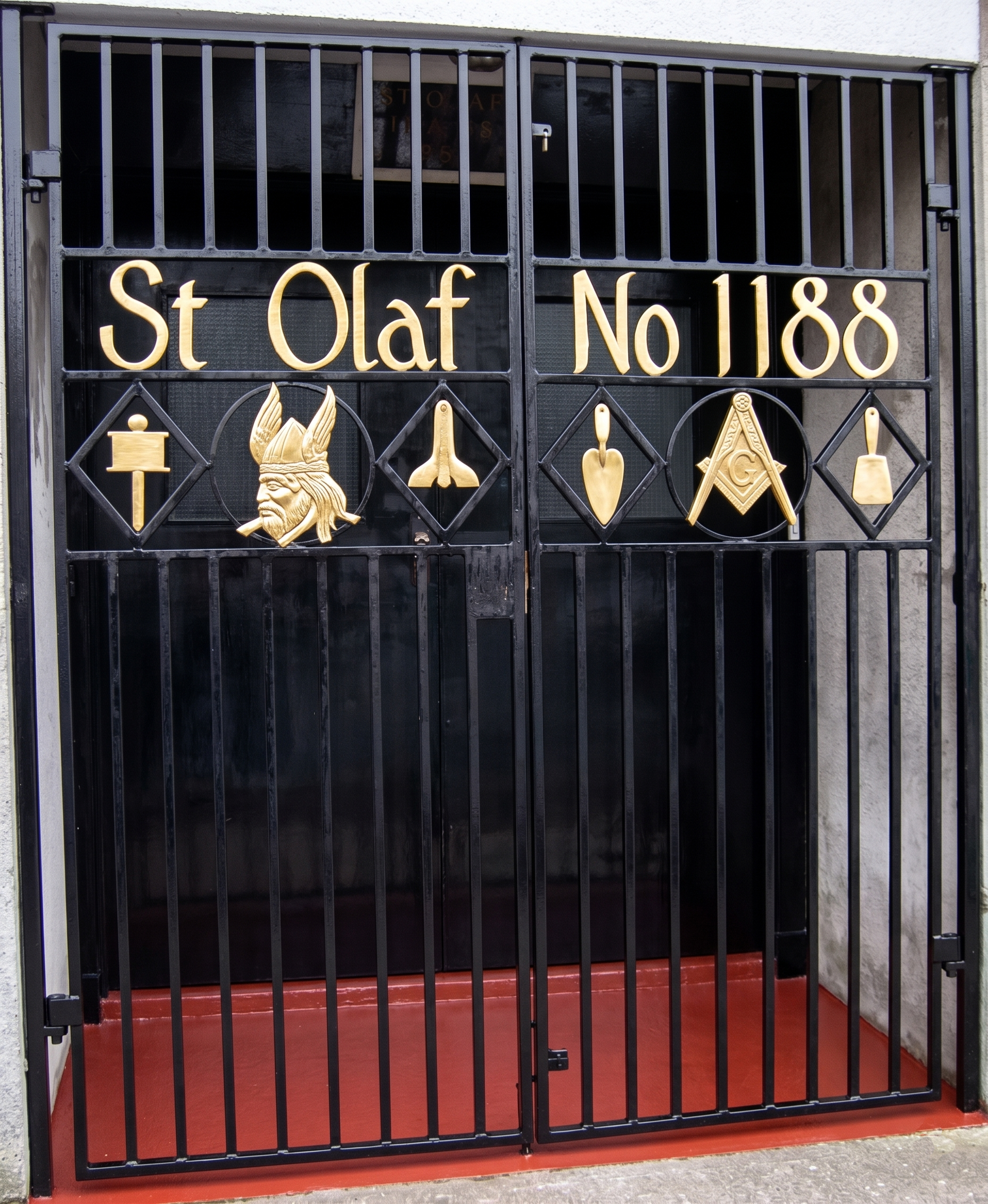
Standing at the front entrance of Lodge St. Olaf No. 1188 is a pair of striking ornamental gates that serve as much more than a simple entryway. These gates represent the vital, outward connection between the sacred space of the Masonic temple and the community of the outside world.
A Vision in Steel
The gates were constructed as a centerpiece of the ambitious Lodge refurbishment projects in the early 1990’s. They are the work of Bro. Graeme Sutherland, a brother of exceptional talent and a highly skilled welder. Bro. Sutherland’s craftsmanship transformed functional security into a lasting piece of Masonic art, ensuring that the first thing a visitor sees is a testament to the dedication of the Lodge’s members.
Symbolism in the Detail
Bro. Sutherland meticulously designed and integrated several key Masonic symbols into the ironwork, each carrying deep allegorical meaning for the Craft:
The Working Tools: The gates feature the skerrit, the level, the trowel, and the maul.
The Universal Symbol: Prominently displayed is the Square and Compasses, perhaps the most recognisable emblem of Freemasonry worldwide.
Lodge Identity: Central to the design is the Lodge’s own unique logo—a Viking Head—which honours the specific heritage and identity of Lodge St. Olaf.
A Lasting Legacy
Bro. Sutherland’s gates provided the external face for that era of renewal. Over the decades, these gates have stood firm, offering a dignified welcome to brethren and guests alike. They remain a powerful symbol of Bro. Sutherland’s skill and his profound commitment to the aesthetic and spiritual legacy of Lodge St. Olaf.
The Story Behind the Lodge Shell Cases
Among the furnishings and treasured artefacts of the Lodge stand two striking ornamental brass shell cases, mounted on black bases and crowned with deep blue glass globes. To many visitors they are simply decorative pieces, yet behind them lies a story that connects military history, craftsmanship, remembrance, and the life of a respected Brother of the Lodge.
These unique ornaments were generously donated by Bro. Jimmy Gardiner P.M., a former RAF serviceman whose life reflected both service and dedication. Bro. Jim was initiated into Lodge St Olaf on 15th December 1977 and, through years of commitment to the Craft, was installed as Right Worshipful Master in 1988.
Bro. Gardiner had these shells in his posession for many years, having come across them during his time of service with the RAF. They are in fact Bofors 40 mm anti-aircraft gun shell cases — one of the most widely used Allied defensive weapons of the Second World War.
Designed in Sweden in the 1930s, the Bofors gun became renowned for its reliability and effectiveness against enemy aircraft. It was used extensively by the Royal Navy, the British Army, Commonwealth forces, and the Royal Air Force throughout the war and beyond. The gun fired a distinctive brass-cased 40 mm round, and it is from these substantial cartridge cases that the Lodge ornaments were created.
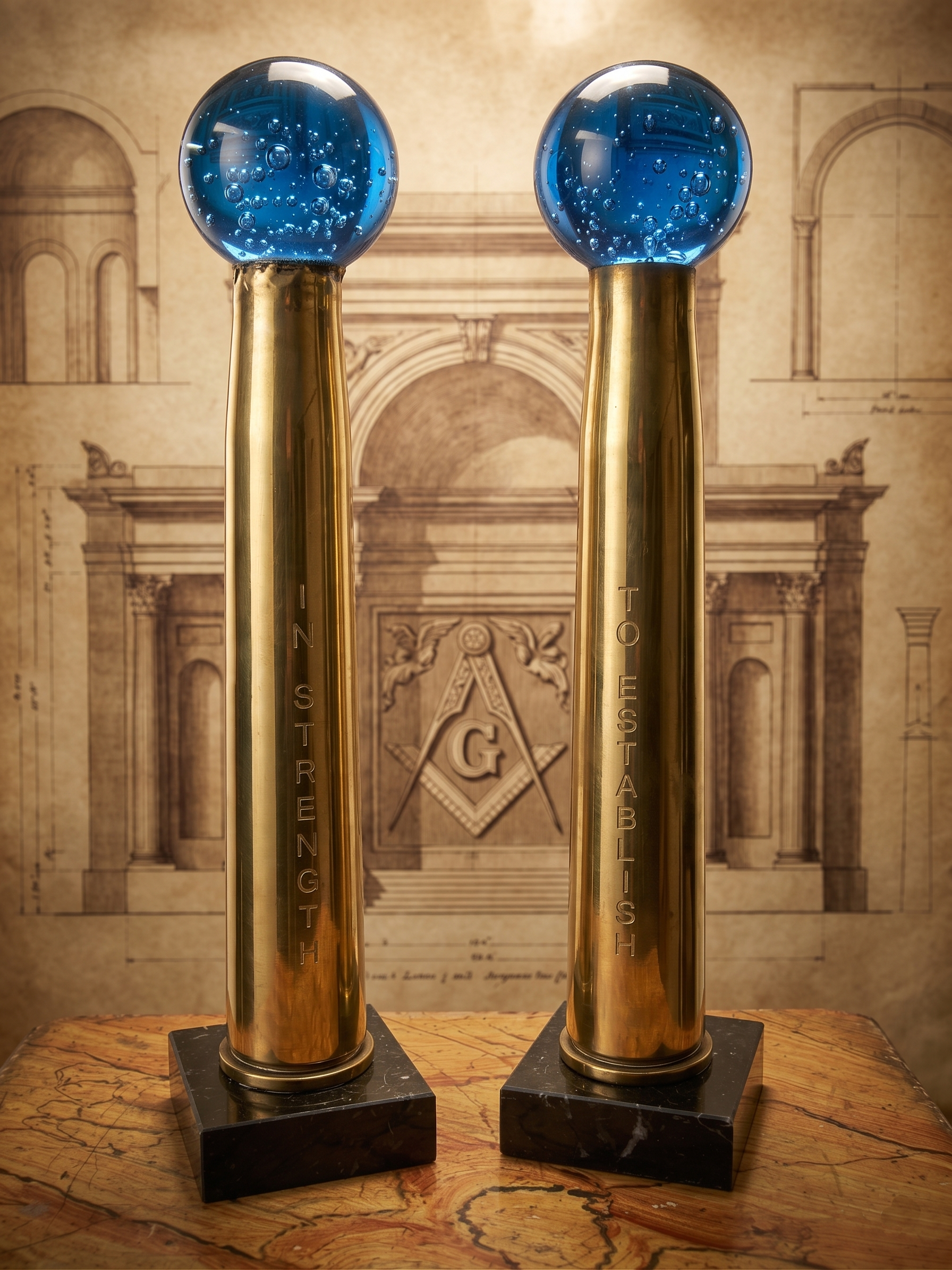
Following the war, many spent shell cases found a second life as “trench art” or commemorative pieces. Soldiers, airmen, and craftsmen transformed instruments of war into objects of beauty and remembrance. The Lodge shell cases are fine examples of this tradition. Polished to a rich golden finish and engraved with the words “IN STRENGTH” and “TO ESTABLISH,” a reference to the pillars which stood at the doorway or eneterance to King Solomons Temple, they were given a ceremonial character fitting for display within a Masonic setting.
The blue glass spheres mounted atop the cases add further symbolism, and represent the two spherical balls which adorned the pillars upon which were delineated maps of the celestial and terrestrial globes, meant to point out Masonry Universal. Blue has long associations with fidelity, truth, and universal brotherhood within Freemasonry, while the transformation of wartime relics into peaceful decorative objects reflects ideals of harmony and reconciliation.
Their connection to Bro. Jim Gardiner gives the pieces even greater meaning. As a former RAF serviceman, he would have been well aware of the importance of the Bofors gun in Britain’s wartime defence. Whether encountered directly through service life or acquired later as military memorabilia, the shell cases clearly held significance for him. By donating them to Lodge St Olaf, he ensured that they would remain not merely ornaments, but lasting reminders of service, sacrifice, and fraternity.
Today, these shell cases stand as silent witnesses to two forms of duty: duty to country and duty to the Craft. They honour not only the wartime generation who served with courage, but also the memory and contribution of Bro. Jimmy Gardiner P.M., whose own years of faithful service enriched the life of the Lodge.
The Master’s Hand: The Legacy of King Solomon at Lodge St. Olaf
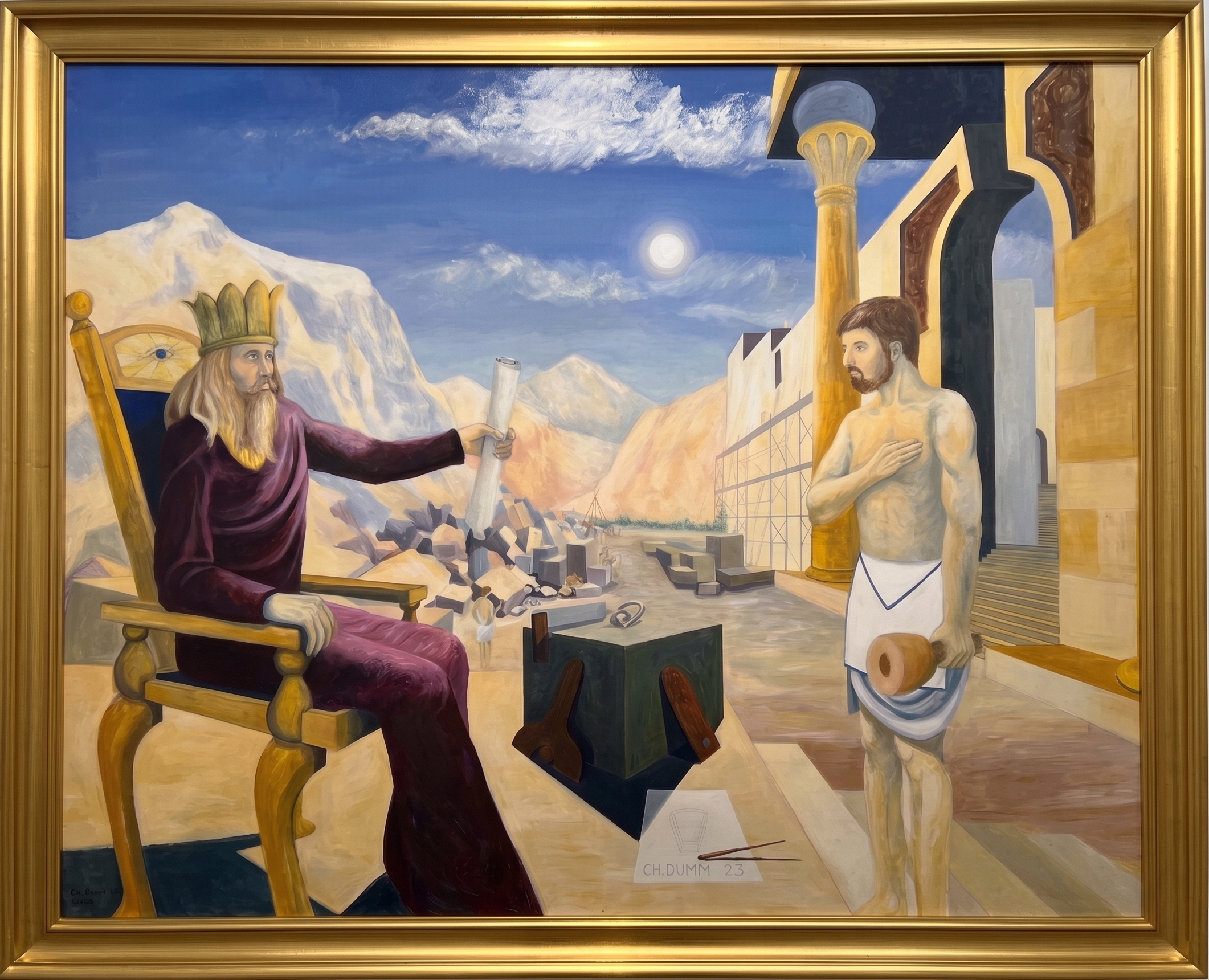
In the heart of Lodge St. Olaf, adorning the East Wall, resides a masterpiece that transcends simple decoration. The mural of King Solomon at the Construction of the Temple at Jerusalem is more than a painting; it is a profound narrative of faith, craftsmanship, and the enduring spirit of Freemasonry.
A Vision Realised
Painted in 1987 as part of a significant Lodge refurbishment project, the mural was the work of Brother Jim Taylor. At a time when the Lodge sought to revitalise its physical space, Bro. Taylor offered his unique artistic talents to create a focal point that would anchor the room’s aesthetic and spiritual atmosphere. Since its completion, it has rightfully become one of the Lodge’s most admired and distinctive features.
Artistic Mastery and Symbolism
The mural depicts the legendary construction of Solomon’s Temple, a cornerstone of Masonic allegory. Through Jim’s skillful use of color and composition, the viewer is transported to the ancient quarries and rising walls of Jerusalem. The majestic figure of King Solomon serves as a symbol of wisdom and divine guidance, overlooking the labor that represents the moral and spiritual building of a Mason’s character.
The technical execution of the work stands as a lasting testament to Jim’s artistic ability. Every brushstroke reflects a deep dedication and a profound love for the Craft. Over the decades, countless brethren and visitors have paused in the East to admire the detail, making it a treasured piece of the Lodge’s history and identity.
A Personal Signature
Perhaps the most touching aspect of the mural is a detail easily missed by the casual observer. Skillfully woven into the scene, Jim incorporated a self-portrait of himself as a young Mason.
This subtle inclusion is far more than an artist’s signature; it is a deeply personal statement. It serves as a permanent reminder of the pride Jim took in both his artistic craft and his personal Masonic journey. By placing himself within the construction of the Temple, he bridged the gap between the ancient legends of the Craft and the modern-day brother striving for light.
An Enduring Inspiration
Through this remarkable piece of artwork, Brother Jim Taylor ensured that a part of his spirit would forever remain within the walls of Lodge St. Olaf. The mural does not merely sit in the past; it continues to inspire every generation of brethren who gather in the Lodge room today.
As new members are initiated and older members reflect on their years of service, the gaze of King Solomon—and the presence of a young Brother Taylor—reminds everyone that we are all builders, contributing our own unique stones to the great temple of humanity. The mural remains a vibrant, living testament to the fact that when skill is guided by love for the Craft, the results are truly timeless.
The Stained Glass Window of Lodge St Olaf
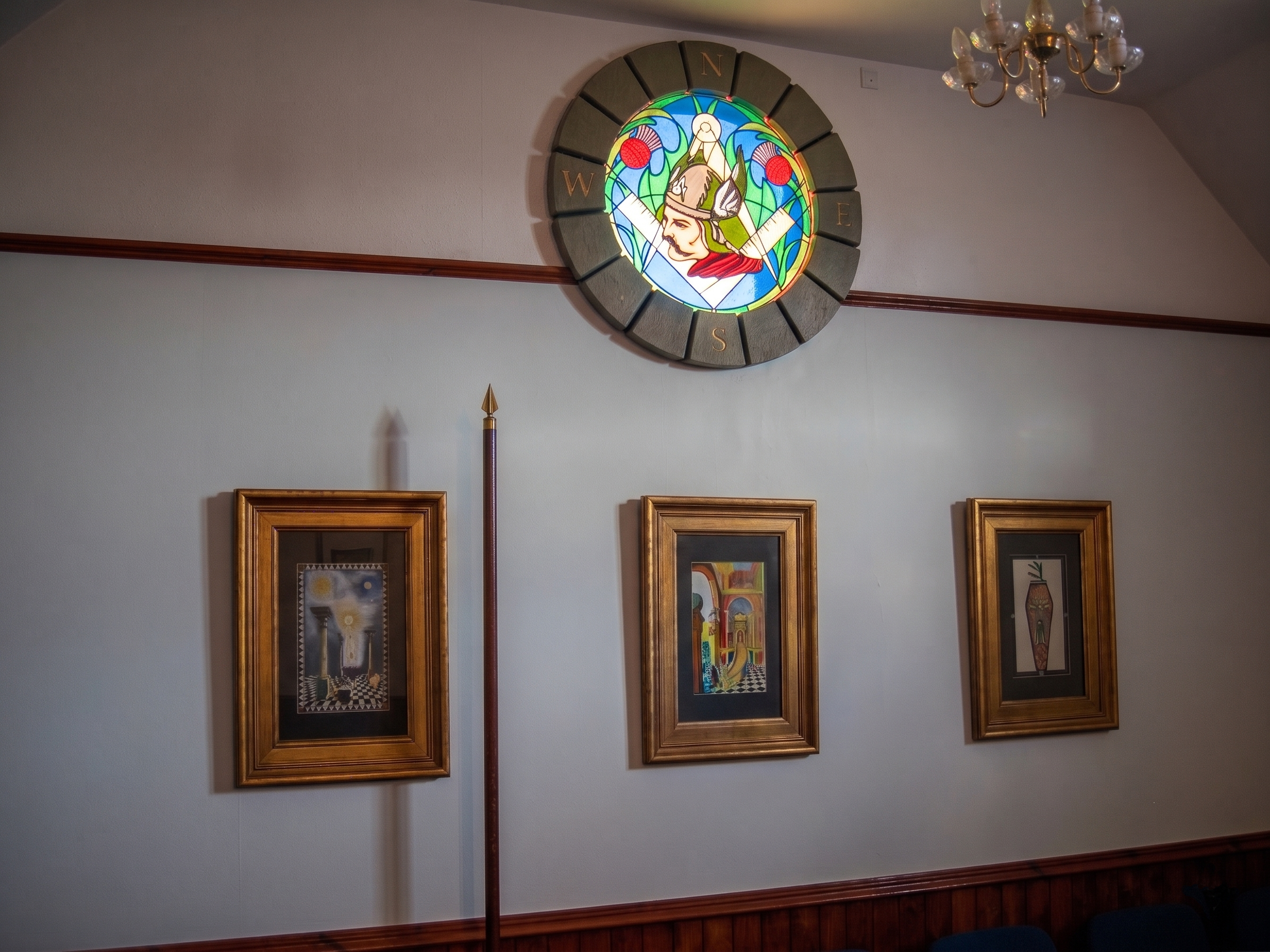
A Lasting Legacy of the 2005 Refurbishment Project
Among the many improvements undertaken during the 2005 refurbishment of Lodge St Olaf, few features have become as distinctive or as admired as the ornamental stained glass window installed on the West Wall of the Lodge room. More than simply a decorative addition, the window stands as a remarkable example of imagination, craftsmanship, and fraternal collaboration — transforming an unexpected object into one of the Lodge’s defining visual features.
The story of the window began not in a workshop or design studio, but with a garden ornament. During the refurbishment works, the reigning Right Worshipful Master, Ewan Robertson, brought a decorative stone circle to the Lodge. Originally intended as a garden feature, the circular stone piece possessed a striking symmetry and character that immediately suggested potential beyond its original purpose. Bro. Robertson asked if anyone within the Lodge could imagine a way of incorporating it into the refurbishment as a decorative feature.
The challenge was enthusiastically accepted by Gordon Mackay, whose creativity and practical skill would ultimately transform the simple stone ornament into the centrepiece of a unique stained glass composition. Recognising the visual possibilities offered by the circular frame, Bro. Mackay developed a design that would both celebrate the identity of the Lodge and complement the architectural character of the refurbished interior.
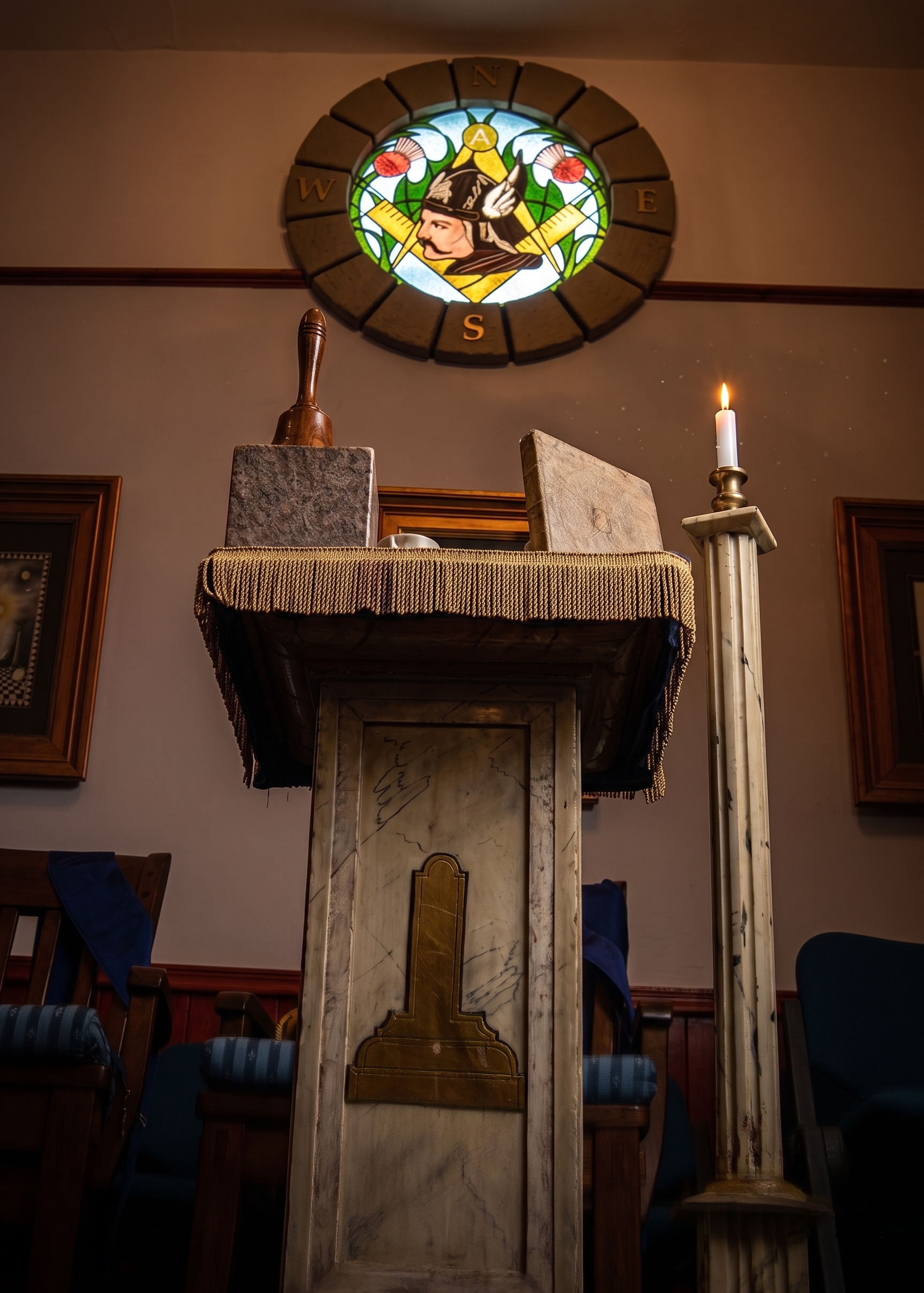
The finished window became a carefully balanced composition of symbolism and colour. Incorporated within the design were several important emblems closely associated with the Lodge and with Freemasonry itself. Most prominent was the distinctive “Viking’s Head,” long recognised as the emblem and logo of Lodge St Olaf. Alongside this appeared the Square and Compasses, the universally recognised symbol of Freemasonry, representing morality, virtue, and the principles by which Masons are encouraged to govern their lives. Completing the composition was the Scottish thistle, proudly acknowledging the Lodge’s Scottish heritage and national identity.
What began as a decorative experiment soon proved to have a wider influence. The visual balance and symbolic arrangement developed within the stained glass design became the catalyst for the evolution of the Lodge’s modern logo. Elements first brought together in the window — particularly the integration of the Viking’s Head with traditional Masonic imagery — helped shape a more refined and recognisable identity for Lodge St Olaf in the years that followed. In this way, the window not only enhanced the physical appearance of the Lodge room, but also contributed directly to the development of the Lodge’s public image and visual heritage.
The installation of the stained glass window also reflected the wider spirit of the 2005 refurbishment project itself. Much of the work undertaken during that period relied upon the voluntary efforts, talents, and dedication of the Brethren. The creation of the window became a symbol of that collective endeavour — demonstrating how imagination, craftsmanship, and cooperation could combine to produce something both meaningful and enduring.
Today, the stained glass window remains one of the most distinctive decorative features within Lodge St Olaf. Positioned prominently on the West Wall, it continues to attract admiration from members and visitors alike. More importantly, it serves as a lasting reminder of the ingenuity and commitment shown by the Brethren during the refurbishment project, and of how a simple garden ornament inspired the creation of an enduring symbol of the Lodge’s identity and heritage.
The Worshipful Warden’s Pedestals
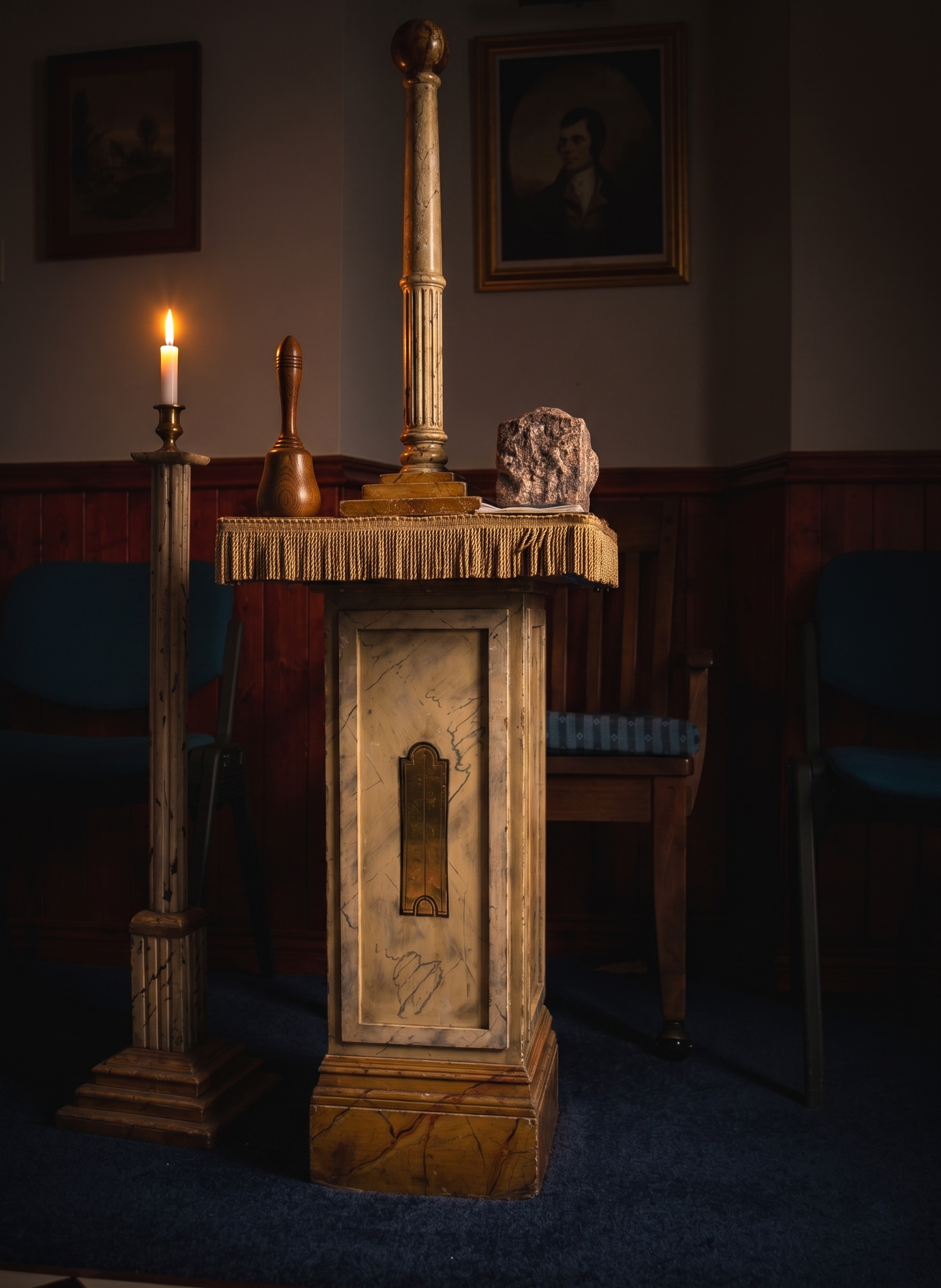
The Worshipful Junior Warden’s dais at Lodge St Olaf is an important and historic surviving link to the lodge’s earlier traditions, customs, and working practices. The dais dates from a time long before the consecration of the lodge rooms and temple in Serald Lane in 1969, recalling an era when lodge meetings were conducted under far simpler and more practical conditions than those enjoyed today. In those years, many of the furnishings and ceremonial items required for meetings were not permanently housed within a dedicated temple, but instead had to be carefully taken from storage prior to each meeting and returned again afterwards.
As one of the few remaining pieces from that earlier period, the Junior Warden’s dais represents not only the office it serves, but also the dedication, effort, and perseverance of the brethren who maintained the continuity and traditions of the lodge through changing times. It stands as a tangible reminder of the care taken by past generations to preserve the dignity and ceremonial standards of the lodge despite limited facilities and resources. Both of the Worshipful Wardens’ dais platforms were later dressed with blue satin covers specially fabricated for the lodge during the 1987 refurbishment project. This work was carried out by Past Master Harry Lamb of Lodge Keith No. 56, whose craftsmanship contributed greatly to the distinguished appearance of the lodge furnishings which continue to be used and appreciated today.
Within Scottish Freemasonry, the Junior Warden’s dais also carries deep symbolic significance. Traditionally positioned in the South of the lodge, the station represents strength, harmony, and the balance between labour and refreshment. The Junior Warden is entrusted with maintaining good order among the brethren and ensuring that fellowship and refreshment are conducted with moderation, discipline, and dignity. Together with the Master in the East and the Senior Warden in the West, the Junior Warden’s station forms part of the symbolic structure and government of the lodge. At Lodge St Olaf, the dais therefore stands not only as a ceremonial furnishing, but also as a lasting symbol of the lodge’s heritage, continuity, and enduring traditions.
The Worshipful Senior Warden’s dais at Lodge St Olaf occupies a place of equal historical and symbolic importance to that of the Junior Warden, forming together a pair of enduring fixtures within the lodge room that reflect both continuity and tradition. Positioned in the West of the lodge, the Senior Warden’s station is set directly beneath the stained glass window, a feature that casts natural light across the dais and reinforces the symbolism of reflection, authority, and the setting sun. This placement is deliberate and traditional, representing the completion of the day’s labour and the approach of rest, mirroring the cyclical balance of Masonic work.
Like the Junior Warden’s dais, the Senior Warden’s platform at Lodge St Olaf predates the consecration of the lodge rooms and temple in Serald Lane in 1969. It originates from a time when lodge furnishings were not permanently installed, but were transported from storage and assembled before each meeting. This practice required a high level of care and reverence, reinforcing the value placed on the physical symbols of office and the discipline of preparation.
Both Wardens’ stations were later unified in appearance during the 1987 refurbishment project, when blue satin covers were crafted under the direction of Past Master Harry Lamb of Lodge Keith No. 256. This work ensured visual harmony between East and West, reinforcing the architectural and symbolic balance of the lodge room.
Within Masonic teaching, the Senior Warden’s station in the West complements the Junior Warden in the South, together forming two of the three principal pillars of governance alongside the Worshipful Master in the East. In Lodge St Olaf, these stations are not merely ceremonial furniture but active participants in degree work, marking transitions in ritual progression, reinforcing instruction, and anchoring the symbolic movement of candidates through the lodge. The West and South thus stand as complementary forces: reflection and labour, completion and activity, wisdom and harmony.
Together, these two dais platforms embody the structural and philosophical foundation of Lodge St Olaf, ensuring that every degree worked within the lodge is grounded in continuity, symbolism, and the enduring traditions of Scottish Freemasonry.
The Alter in the East and the mosaic pavement
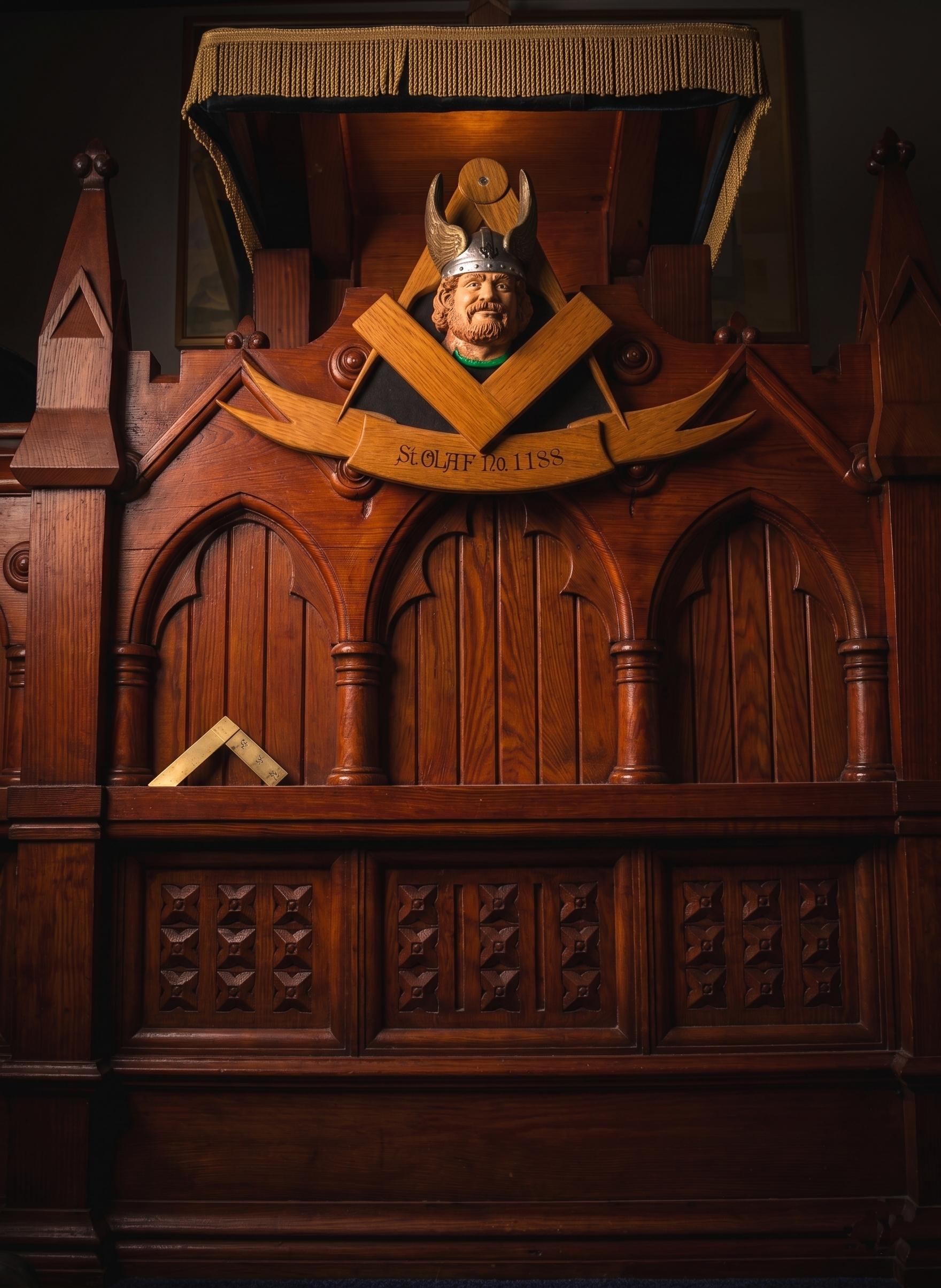
The Right Worshipful Master’s dais in the East is an impressive piece of woodwork. Far more ancient than the Lodge Rooms themselves, the dais was salvaged from a church that had been deconsecrated at the time permanent Lodge Rooms and a temple were being established in Cruden Bay.
Along with the entire raised area in the East, the Lodge initially installed pews from the same church as seating within the Lodge. These pews, however, proved uncomfortable for many and were subsequently replaced during the 2005 refurbishment project.
The Viking detail on the square and compasses was a later addition, fashioned by P.M. Bro. Mark Dunn.
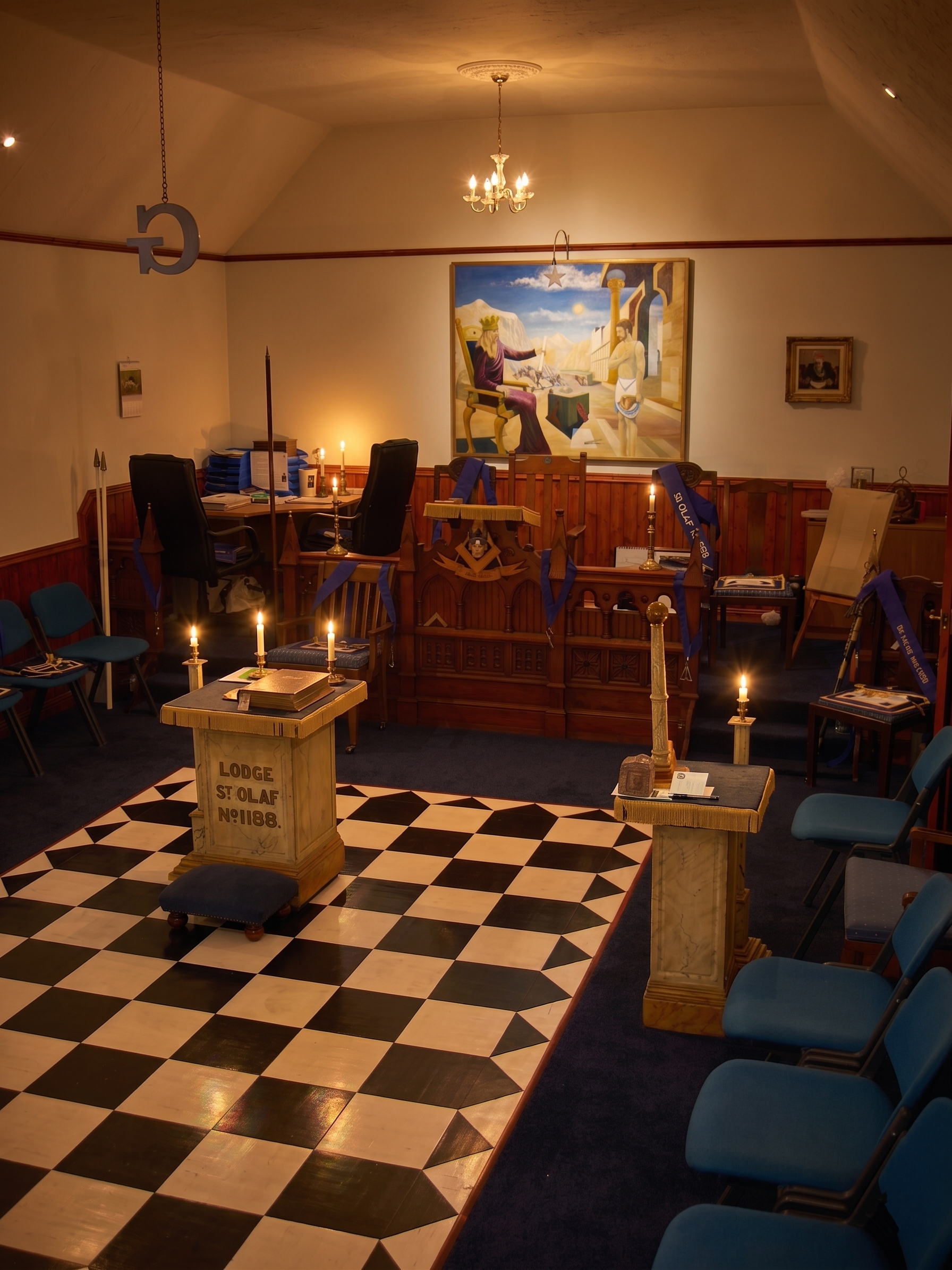
The chequered pavement of Lodge St. Olaf No. 1188 is a distinctive architectural feature that sets the temple apart from many contemporary lodges. Unlike the removable mosaic carpets commonly found in Masonic lodges, Lodge St. Olaf possesses a permanent laid floor. Installed during the extensive 1987 refurbishment project, the work was carried out not by external contractors, but by a dedicated work party of lodge brethren. Their efforts ensured that the symbolic foundation of the lodge—representing the light and darkness, joys and sorrows of our chequered existence—was literally built by the hands of those who gather upon it. Today, the pavement remains a central feature of the lodge’s identity and a lasting testament to fraternal cooperation and craftsmanship.
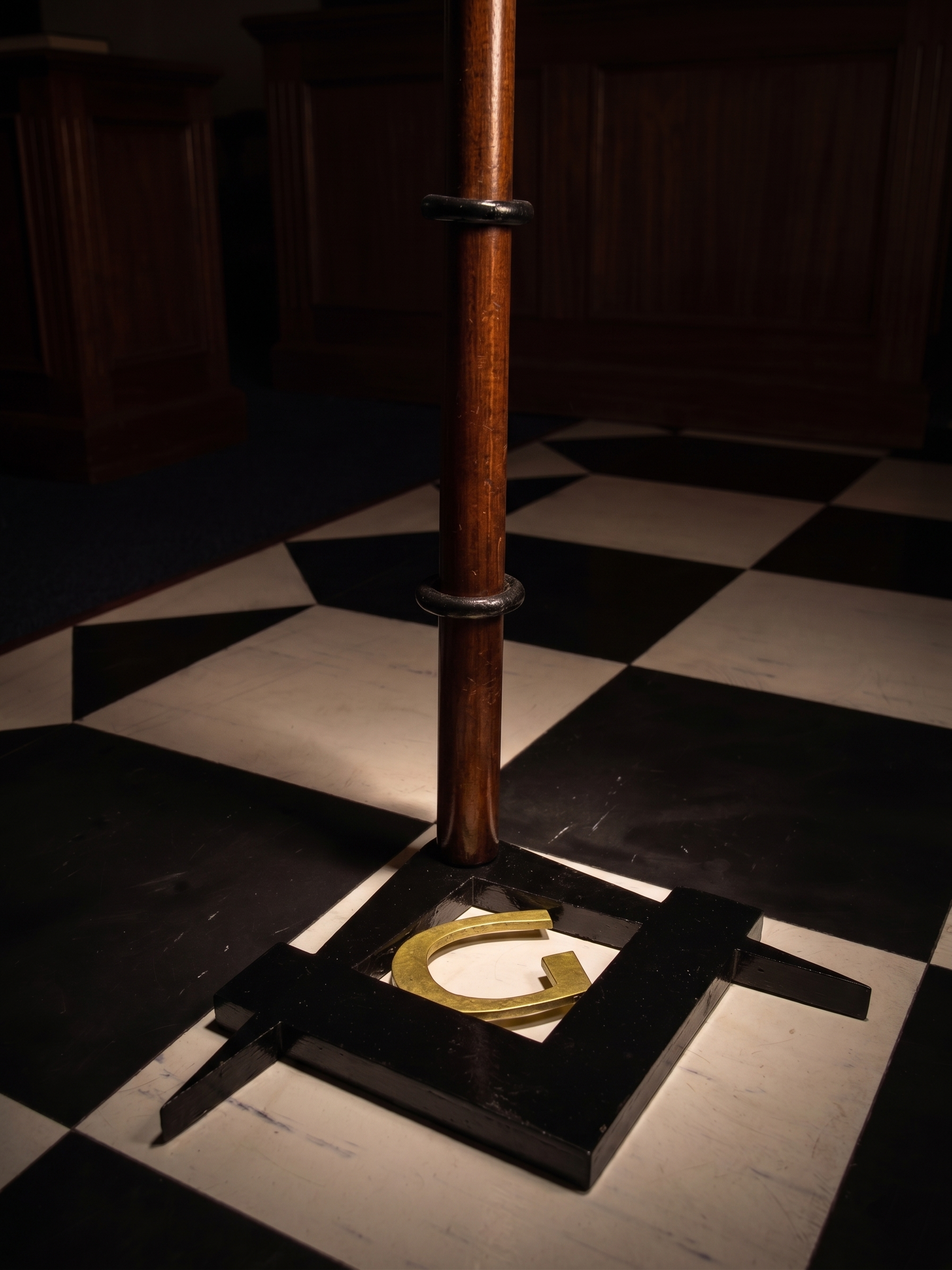
The Deacons’ staffs, which play an important role in the floorwork of the lodge, are supported during ceremonies by specially crafted holders. Though modest in appearance, these practical fittings are an essential part of the smooth conduct of lodge proceedings. The holders were designed and fabricated by master welder Bro. Graeme Sutherland during the extensive 1987 refurbishment project, a period that brought many lasting improvements to the temple. Reflecting both craftsmanship and functionality, the holders complement the ceremonial importance of the staffs they support. Often overlooked, they remain a fine example of the care, skill, and dedication shown by the brethren in preserving and enhancing the character and traditions of Lodge St. Olaf No. 1188.
Bill Stewart Memorial Trophy
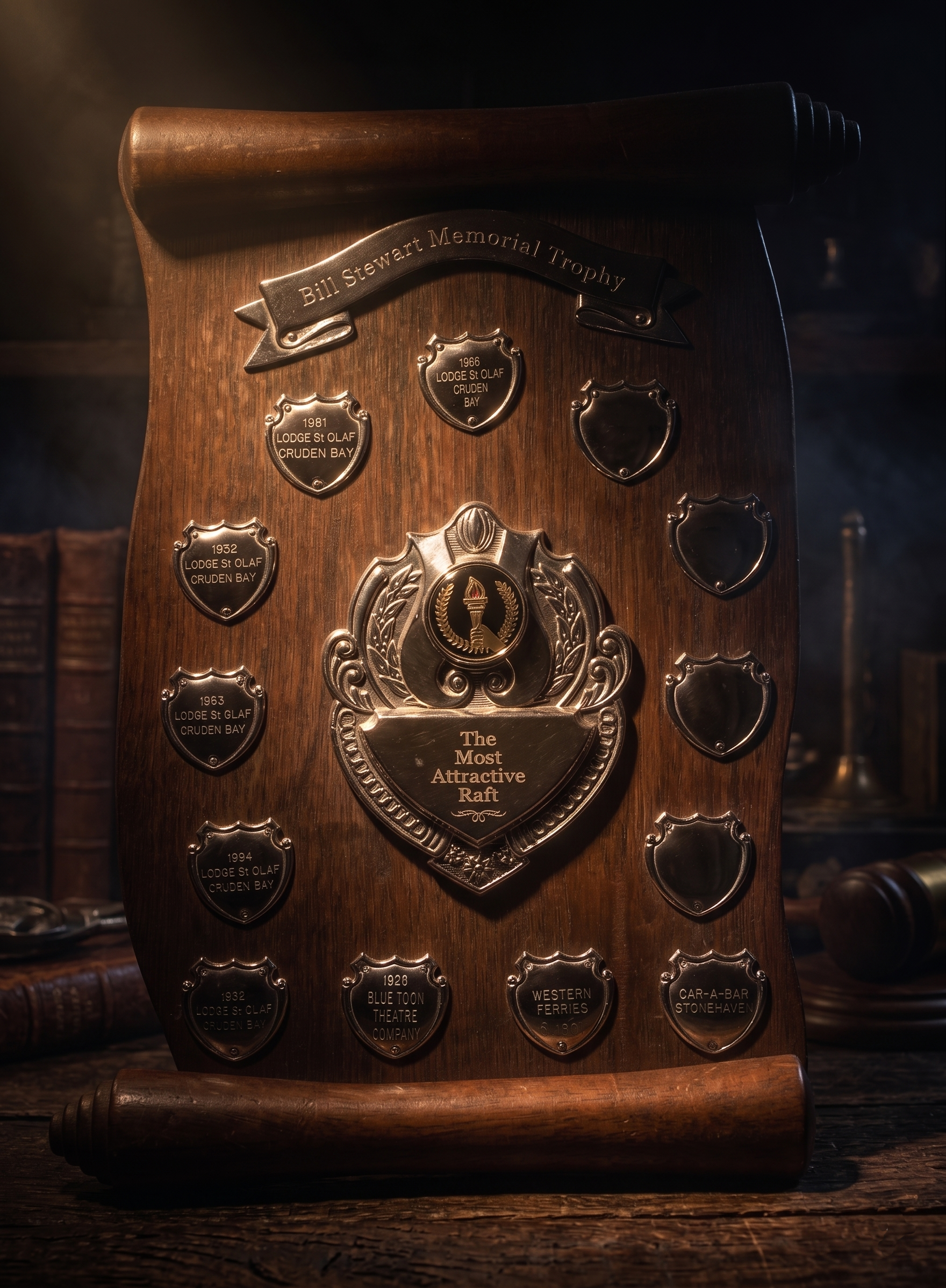
The Bill Stewart Memorial Trophy, proudly displayed within the Lodge Rooms, remains a lasting reminder of fellowship and community spirit. Originally donated by the Lodge, the trophy was awarded annually to the best decorated raft in the famous Cruden Bay Raft Race. It was presented in memory of former crew member Bill Stewart, who was tragically taken at just 36 years of age.
The competition for the trophy became a source of great pride within the Lodge. Year after year, brethren devoted time and creativity in pursuit of the honour, and seeing the trophy returned to its hook in the Lodge Rooms was enjoyed by all.
After the raft race ended in 1997, organiser Bill Smith generously returned the treasured trophy to the Lodge, where it remains displayed today.

Tracing Boards
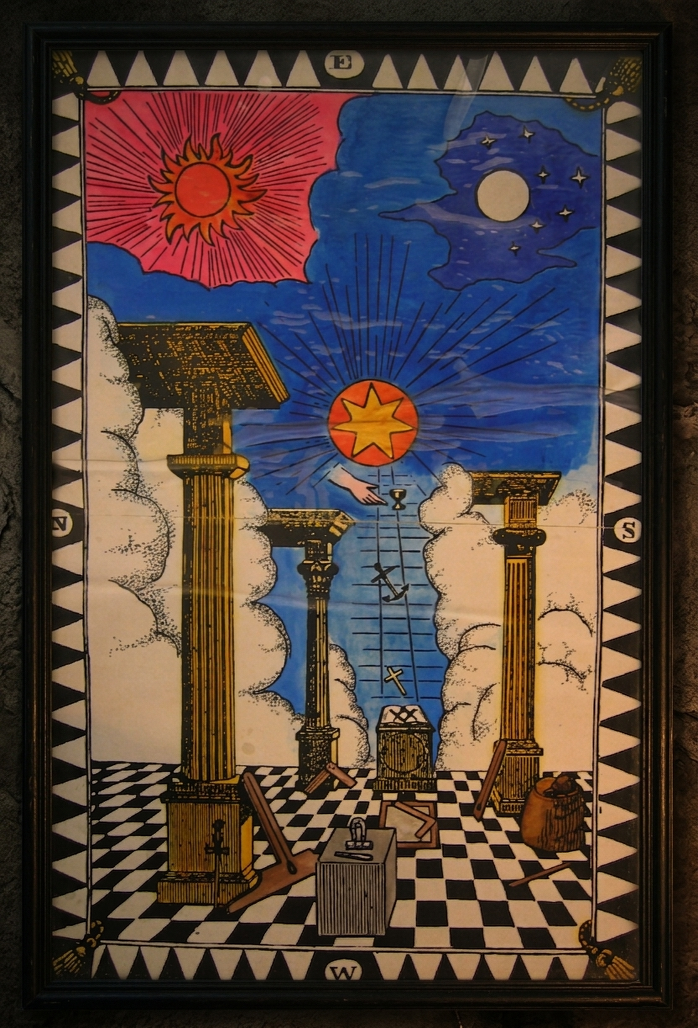
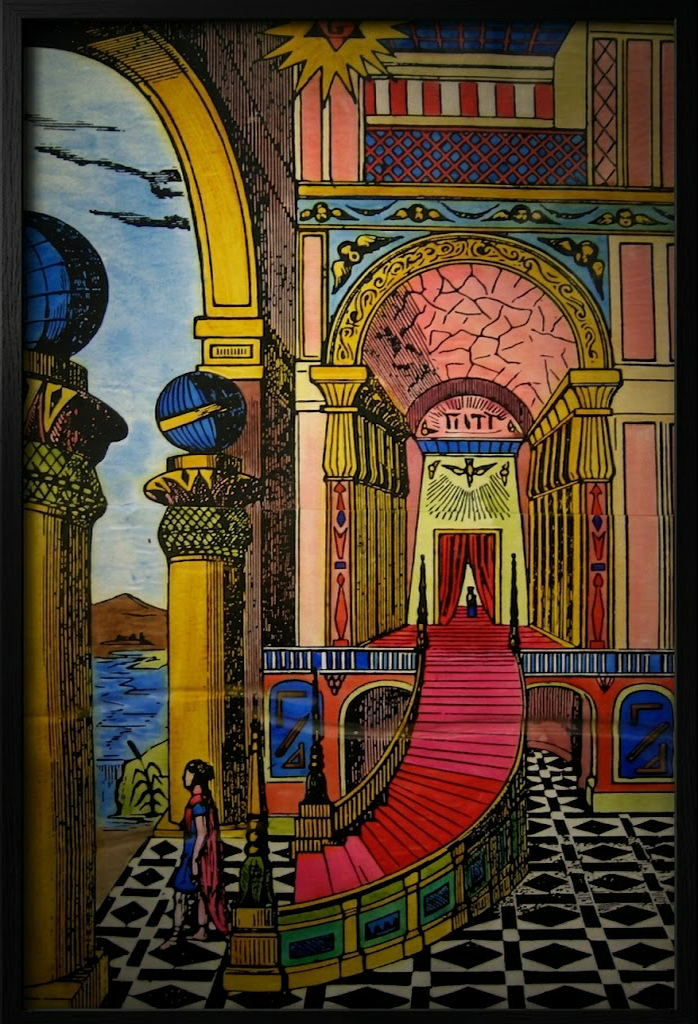
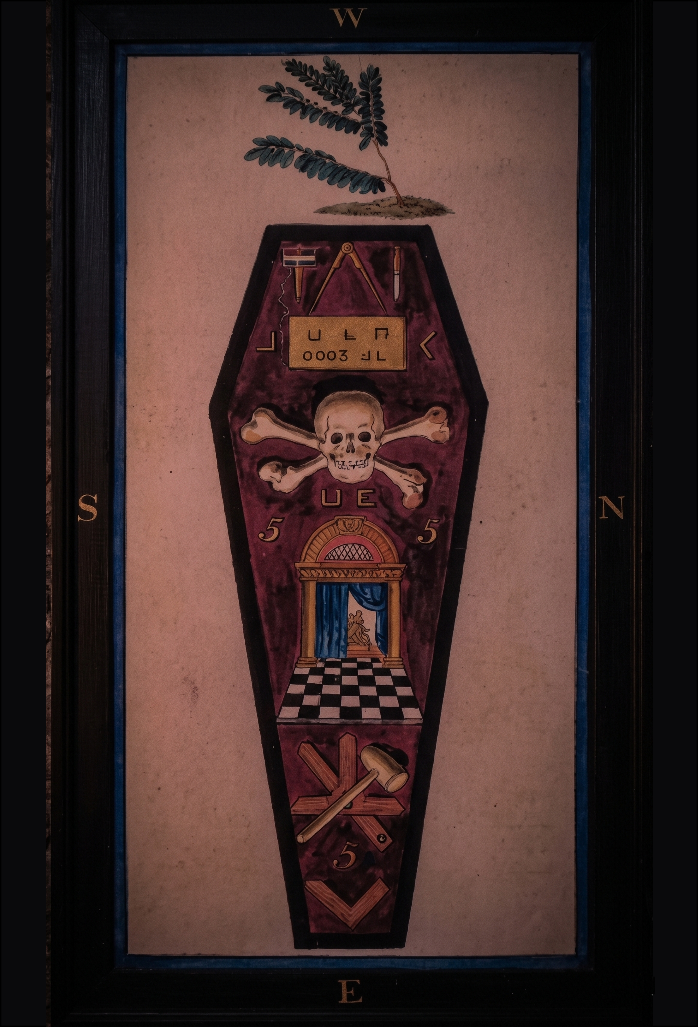
The three Tracing Boards, which play such important roles in the rituals of the three degrees, were not only drafted by Bro. Gordon Mackay in 1981, but have also been continually used by him over the past 40-plus years when delivering the illustrated lectures on the boards themselves.
In recent years, other brethren have begun learning these challenging lectures, helping to ensure the continued use of these valuable documents for many years to come.
Masonic Commemorative Chart
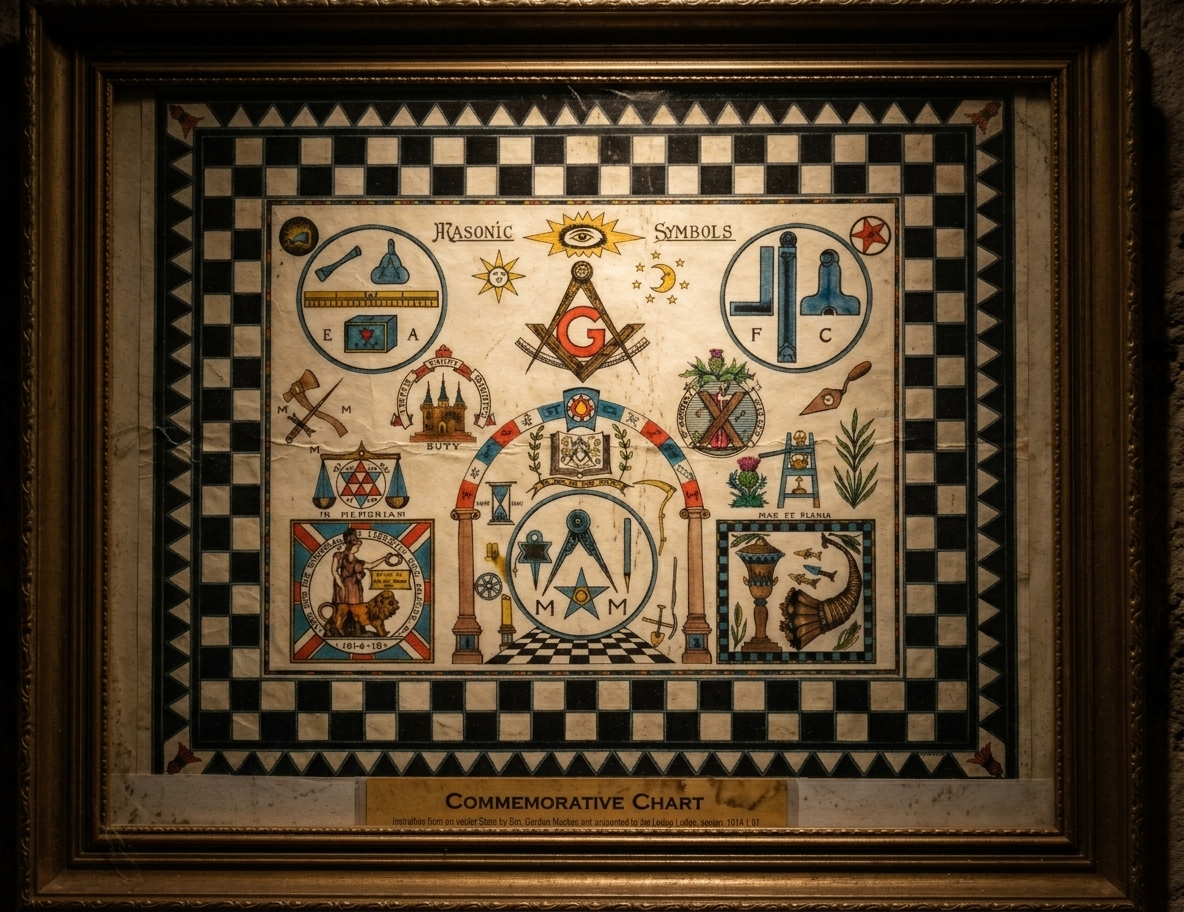
This Masonic Commemorative Chart is a symbolic compendium often used to teach the lessons and allegories of the three degrees of Freemasonry. It is a redrafted version of an earlier chart, created by Bro. Gordon Mackay and presented to a Lodge during the 1981–82 session.
Historical and Commemorative Details
Core Symbols and Their Meanings
The chart is organized into several clusters representing the moral and spiritual development of a Mason.
-
The All-Seeing Eye (Eye of Providence): Positioned at the top center, it represents the omniscience of God (the Great Architect of the Universe), serving as a reminder that a Mason’s thoughts and deeds are always observed.
-
Square and Compasses with the Letter “G”: The most recognizable emblem of the Craft.
-
The Square: Symbolizes morality and acting “on the square” with all mankind.
-
The Compasses: Symbolize the ability to circumscribe desires and keep passions within due bounds.
-
The Letter “G”: Represents both Geometry, the basis of the stonemason’s craft, and God.
-
-
Sun, Moon, and Stars: These celestial bodies signify the universality of Freemasonry and the regular passage of time.
The Central Arch and Working Tools
The central portion depicts a gateway or arch, often representing the entrance to King Solomon’s Temple.
-
Mosaic Pavement: The black-and-white chequered floor at the base of the arch symbolises the duality of human life—light and darkness, joy and sorrow.
-
Winding Staircase: Often shown leading to the “Middle Chamber,” these stairs represent the intellectual and spiritual progress of a Mason.
-
The Working Tools: Various tools are depicted throughout the chart, each with a metaphorical moral lesson:
-
The Level: Represents equality.
-
The Plumb: Represents uprightness of life.
-
The Trowel: Represents spreading the “cement” of brotherly love and affection.
-
The Maul and Gavel: Represent self-control and the removal of vices from one’s character.
-
Historical and Commemorative Details
-
In Memoriam Section: On the lower left, there is a specific commemorative panel (likely related to the 1914–18 Great War, as indicated by the dates and the lion figure), honoring brethren who made the supreme sacrifice.
-
Acacia: Sprigs of acacia (visible near the grave/coffin icons) are Masonic symbols of the immortality of the soul.
-
Cornucopia and Columns: The “Emblem of Plenty” (sheaf of corn) and the two colossal pillars (often named J***** and B***) signify strength and establishment.
Lodge St. Olaf Jewels
Within the lodge you will see brethren wearing a selection of St. Olaf Jewels. These jewels were commissioned over a 25 year period and designed by Bro. Gordon Mackay from the lodge logo relevant at that time, examples and descriptions are detailed below..
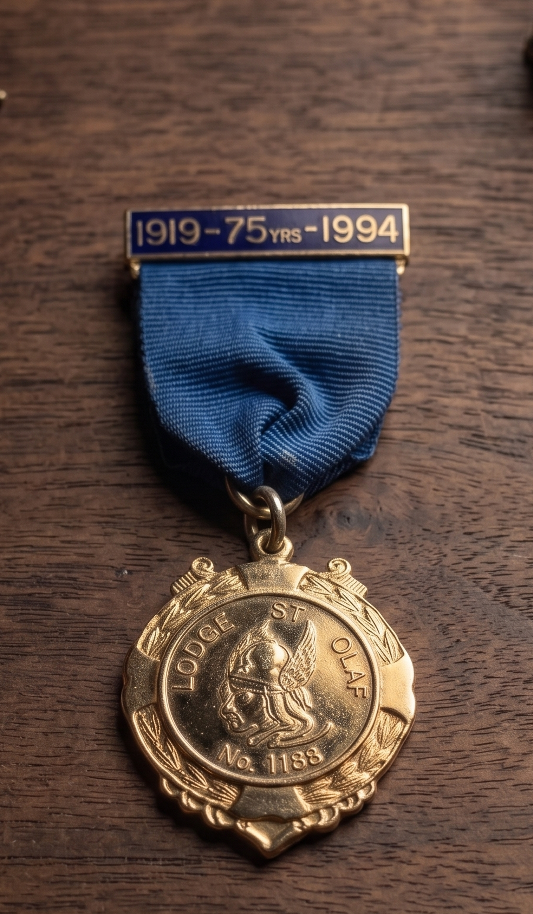
The Lodge St. Olaf 75th Anniversary Jewel, commissioned in 1994 to celebrate the 75th Anniversary of the founding of the lodge in 1919.
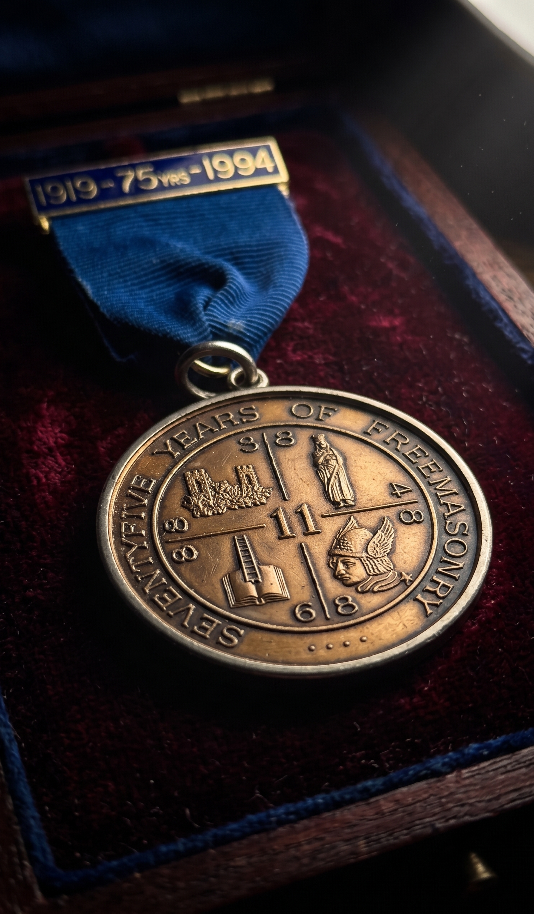
The Four Lodges 75th Anniversary Jewel, commissioned in 1994 to celebrate tthe four lodges founded on the same day.
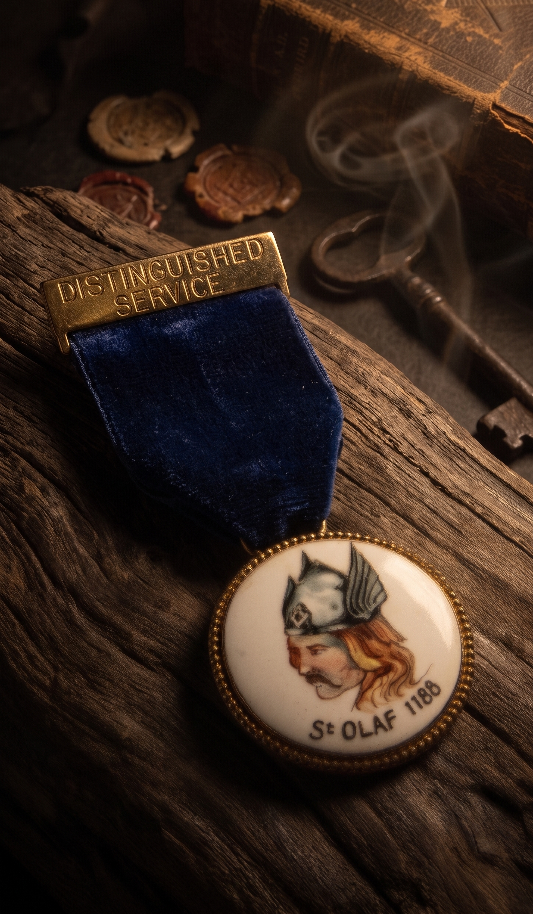
The Lodge St. Olaf Distinguished Service Jewel, only 5 were commissioned and held by recipient until death when awarded to another deserving brother. Read More →
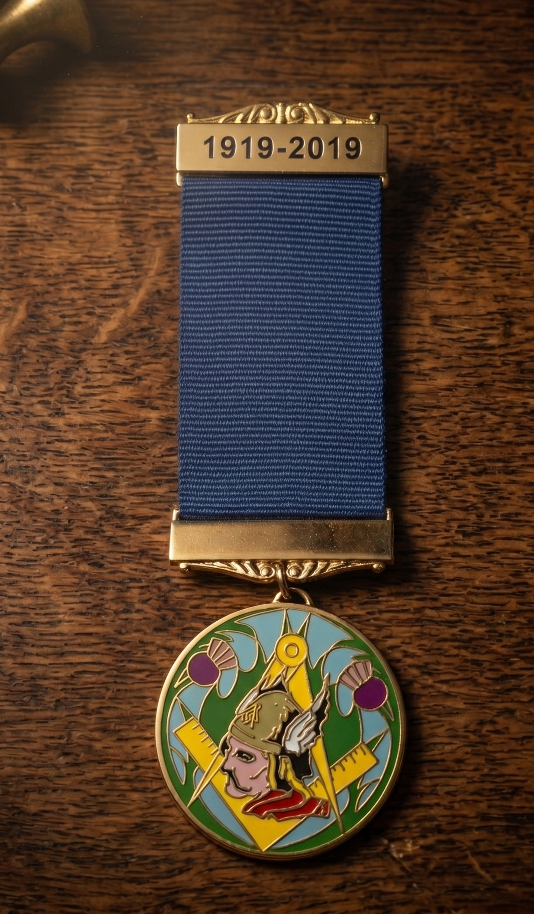
The Lodge St. Olaf 100th Anniversary Jewel, commissioned in 2019 to celebrate the 100th Anniversary of the founding of the lodge in 1919.
Lodge Branding: The St. Olaf Viking Logo
For more than four decades, Lodge St. Olaf has been proudly represented by its now familiar Viking logo (Mark 1 version below), an emblem that has become instantly recognisable to members and visitors alike. Rich in character and symbolism, the design reflects both the heritage and identity of the Lodge, serving as a unifying mark across generations.
In its earliest years, the Viking logo appeared primarily on traditional printed materials. It featured prominently on Lodge stationery, posters, tickets, and official correspondence, lending a distinct and consistent visual identity to events and communications. At a time when print was the primary means of outreach, the logo helped establish a strong and memorable presence within the local community.
With the arrival of the digital age, the logo found new life online. When the Lodge launched its first website in 2002 – remarkably one of the earliest lodge websites in Scotland – the Viking emblem became its defining visual feature. This transition marked an important step forward, ensuring that the Lodge’s identity remained both relevant and accessible in an increasingly connected world, while still honouring its longstanding traditions.
Beyond printed and digital use, the original logo was also proudly incorporated into a range of Lodge items. It appeared on the first Lodge tie, offering members a wearable symbol of their affiliation, and was later featured on mark pennies and commemorative jewels produced over the years. These items, both practical and ceremonial, serve as lasting reminders of the Lodge’s history and the enduring significance of its iconic design.
Examples of these early applications can be seen in the images below, illustrating how the Viking logo has remained a constant and meaningful thread throughout the Lodge’s visual evolution.
A significant moment in the visual evolution of Lodge St. Olaf came with the Lodge renovation project of 2005. As part of these improvements, a striking stained glass window was installed in the west wall of the temple. This addition was more than an architectural enhancement, it introduced a new artistic interpretation of the Lodge’s identity (Mark 2 version detailed below), capturing light, colour, and symbolism in a way that brought renewed depth to its visual presence.
The design of this stained glass feature proved so distinctive and meaningful that it was soon adapted into an updated version of the Lodge logo. While retaining the essence of the original Viking imagery, this refined design incorporated elements inspired by the craftsmanship and composition of the window itself, resulting in a more detailed and visually rich emblem. It marked a natural progression rather than a departure—honouring tradition while embracing a fresh and more contemporary aesthetic.
Over the following two decades, this updated logo was adopted widely across Lodge materials and communications. It appeared on official documents, event promotions, regalia, and digital platforms, becoming firmly established as the Lodge’s primary visual identity. Its versatility allowed it to be used effectively across both print and digital formats, ensuring consistency while reflecting the Lodge’s ongoing development.
During this same period, the Lodge website underwent several updates and redesigns, each reflecting advances in technology and changing expectations for online presence. Throughout these changes, the updated logo remained a constant and prominent feature—serving as a visual anchor that connected each new iteration of the site back to the Lodge’s heritage.
Together, the stained glass window and the logo it inspired represent an important chapter in the Lodge’s story—one where tradition, craftsmanship, and modernisation came together to shape a lasting and recognisable identity.
The most recent evolution of the Viking emblem (Mark 3 detailed below), marks another step forward in the visual journey of Lodge St. Olaf. This latest incarnation has been thoughtfully developed to reflect both the heritage of the Lodge and the expectations of a modern audience, combining familiar elements with a cleaner, more refined presentation.
While the core symbolism of the Viking identity remains intact, this new version introduces a far greater level of detail and depth, utilising a richly rendered, three-dimensional style. The enhanced textures, lighting, and layered composition give the emblem a sense of realism and presence that was not achievable in earlier, flatter designs. This approach allows the logo to stand out more effectively on digital platforms, where high-resolution screens and modern display technologies can fully showcase its intricacy. The 3D effect adds visual impact on websites, social media, and digital publications, drawing the viewer’s eye while maintaining clarity at various scales. It also enables more dynamic applications, such as subtle animation, lighting effects, or interactive elements, ensuring the logo remains versatile and engaging in an increasingly digital-first environment.
This new revision is now in active use and features prominently throughout the pages of the Lodge’s website, where it serves as the primary visual identifier in an increasingly digital-first environment. Its versatility ensures that it performs equally well across screens, printed materials, and promotional items, reinforcing a consistent and recognisable brand presence.
Presented below are the principal versions of the three logo revisions, along with the latest version of the website banner, representing the standard of the Lodge’s visual identity over the past 40 years and guiding its ongoing development into the next chapter.

Mark 1 logo (circa 1986)
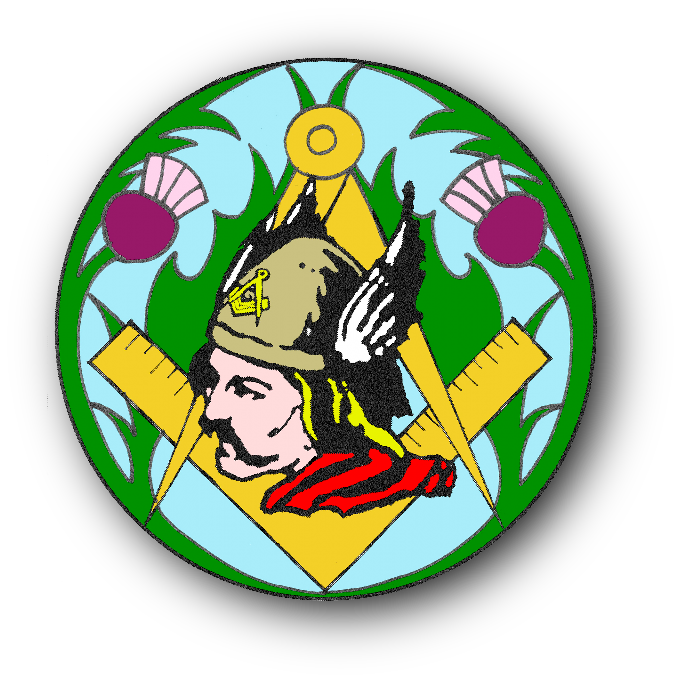
Mark 2 logo (circa 2005)
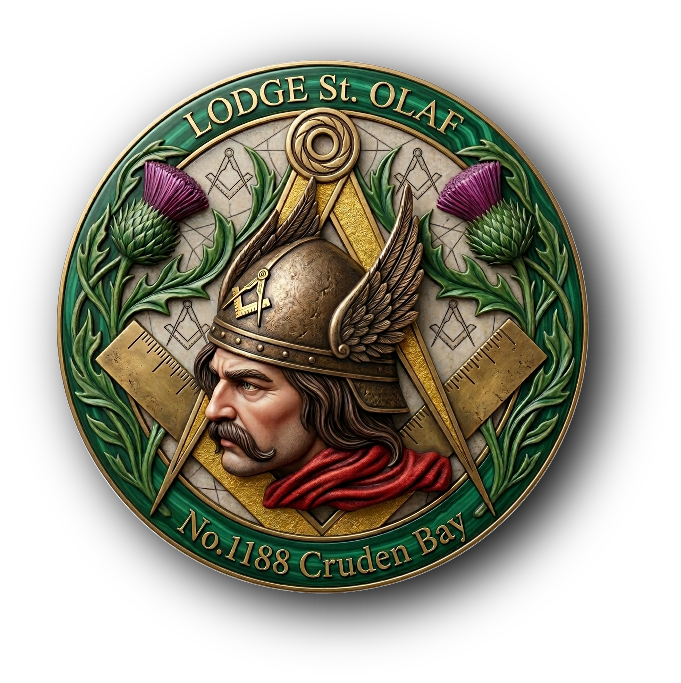
Mark 3 logo (circa 2026)
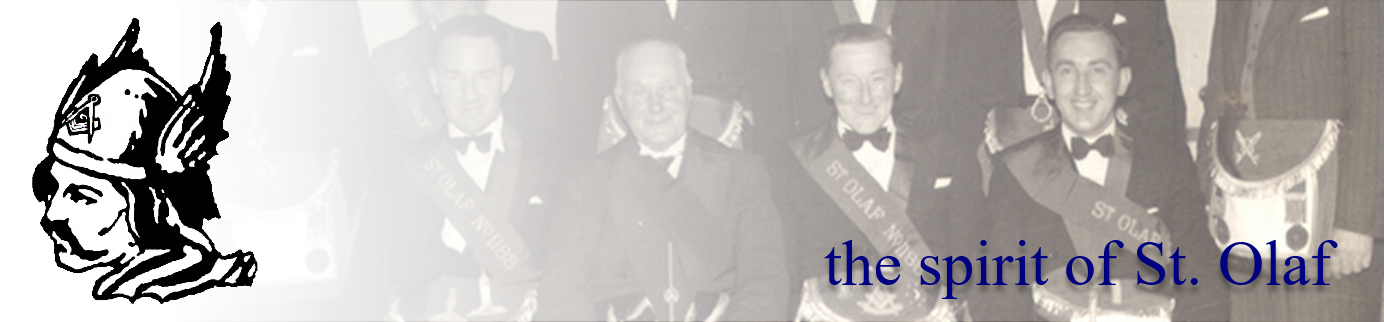
Mark 1 Website Banner (circa May 2002)
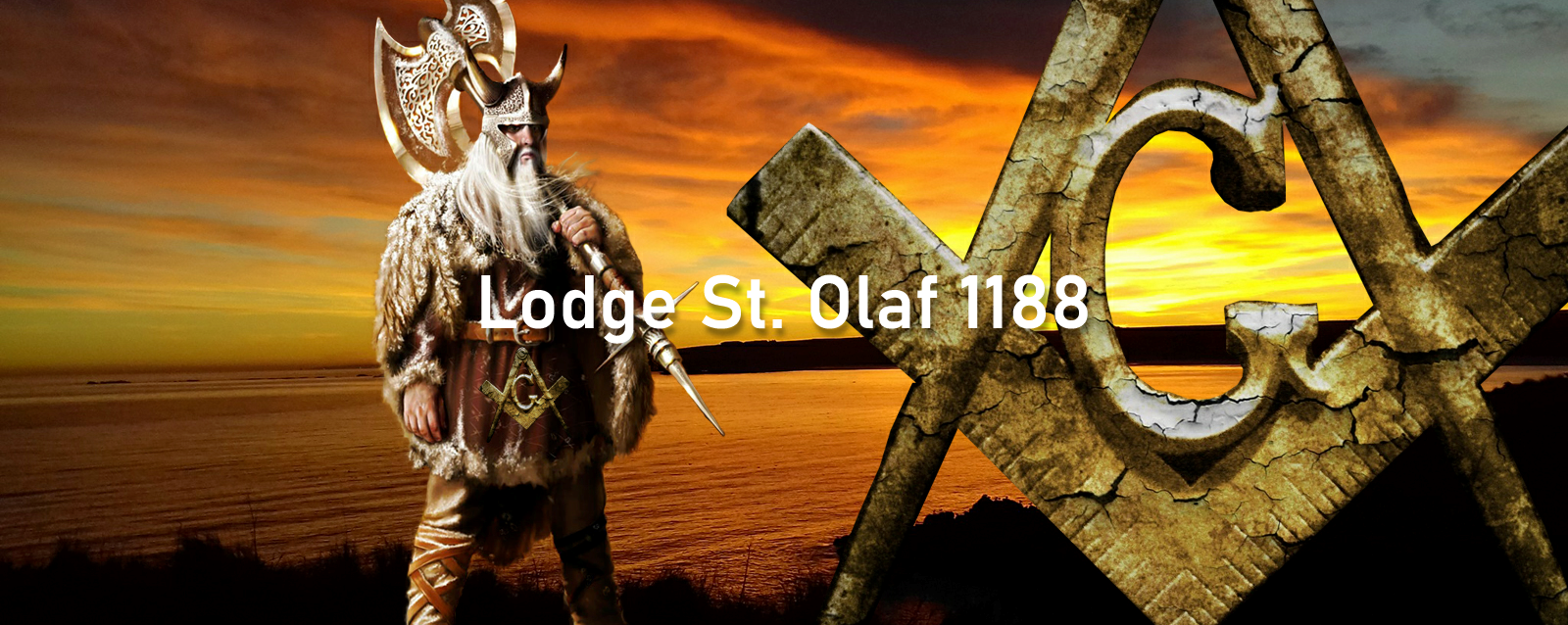
Mark 2 Website Banner (circa May 2006)
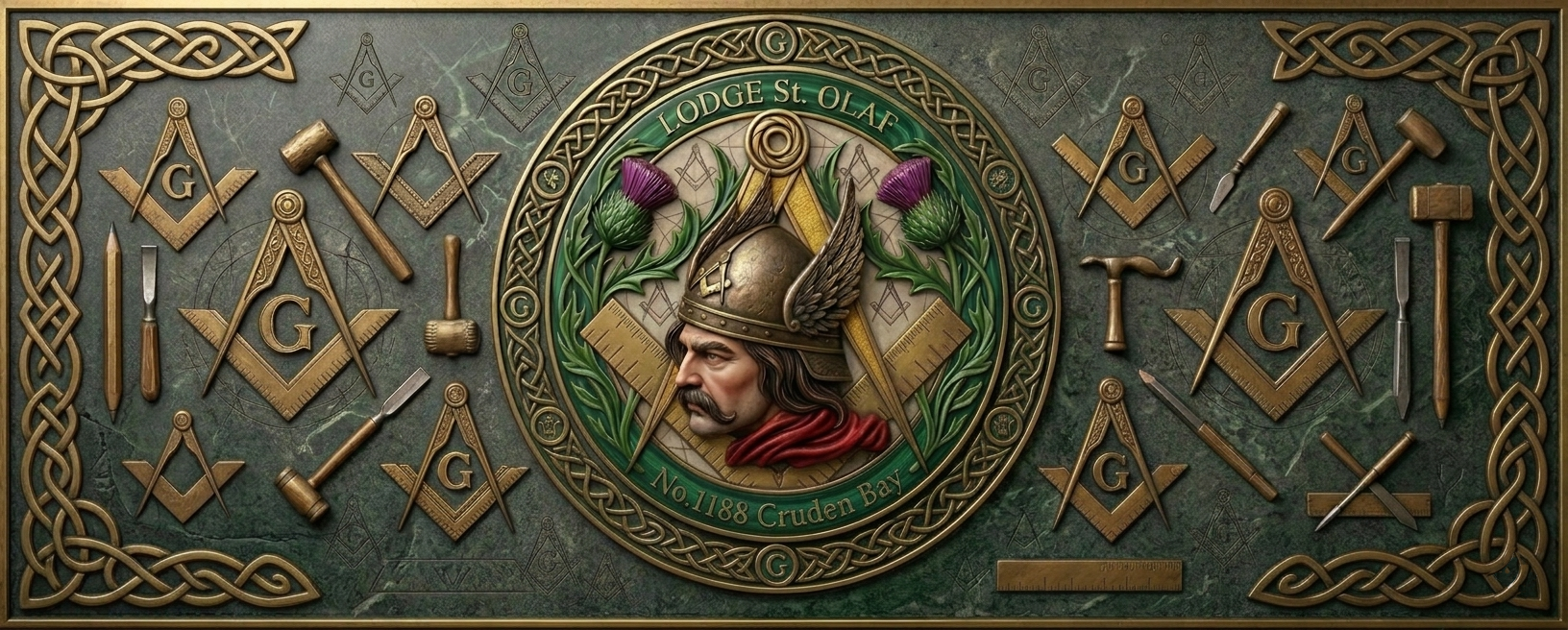
Mark 3 Website Banner (circa May 2026)
Q. Where Should Mason’s Meet?
A. On The Level
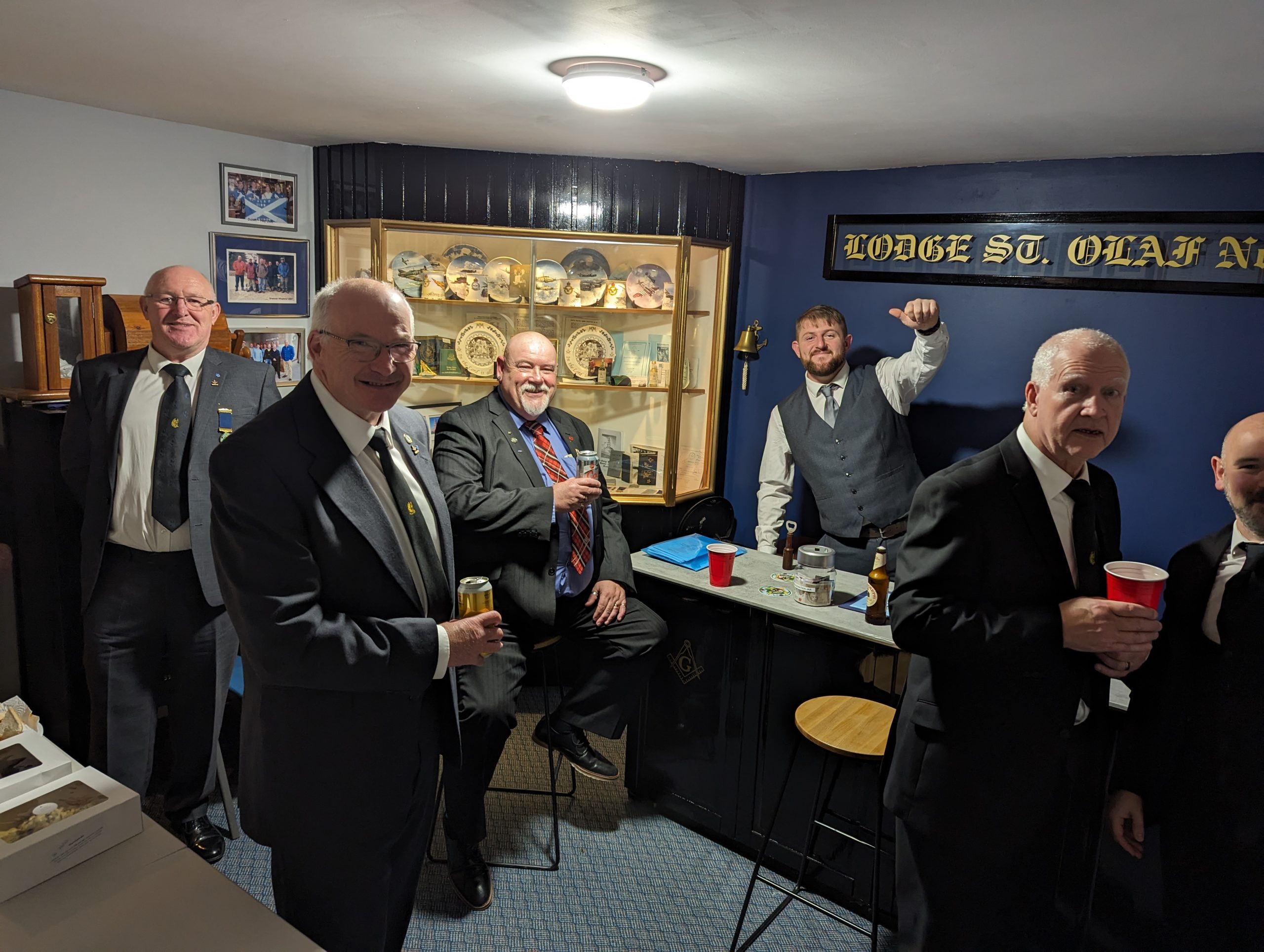
Within the heart of Lodge St. Olaf lies a space that has become far more than simply another room within the building. Known affectionately as “The Level,” this welcoming social area has grown into an important focal point for fellowship, conversation, and camaraderie among the brethren.
The concept for The Level was the inspiration of the then Right Worshipful Master, Trevor Cooke. Recognising the potential hidden within a tired and cluttered anti-room, Bro. Cooke envisioned something altogether different — a warm, inviting environment where members could gather not only after regular meetings, but also at any time when the bonds of fraternity called for good company, conversation, and refreshment.
What emerged from that vision has proven to be an outstanding success. Over the years, The Level has repeatedly demonstrated its value as a true social hub within the lodge. It has provided a welcoming atmosphere for members and visitors alike, many of whom are quick to comment on the unique ambience and sense of harmony the space creates.
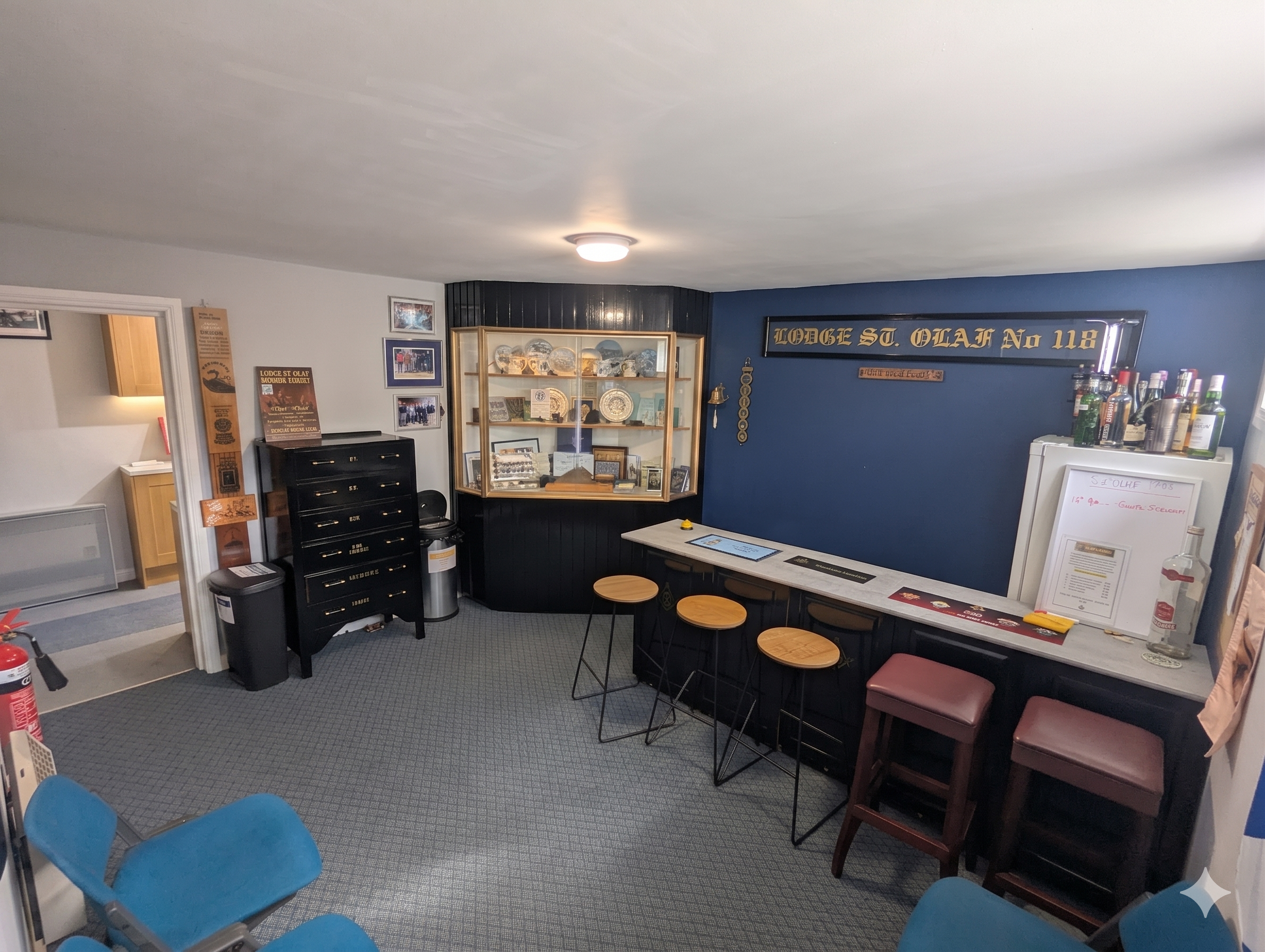
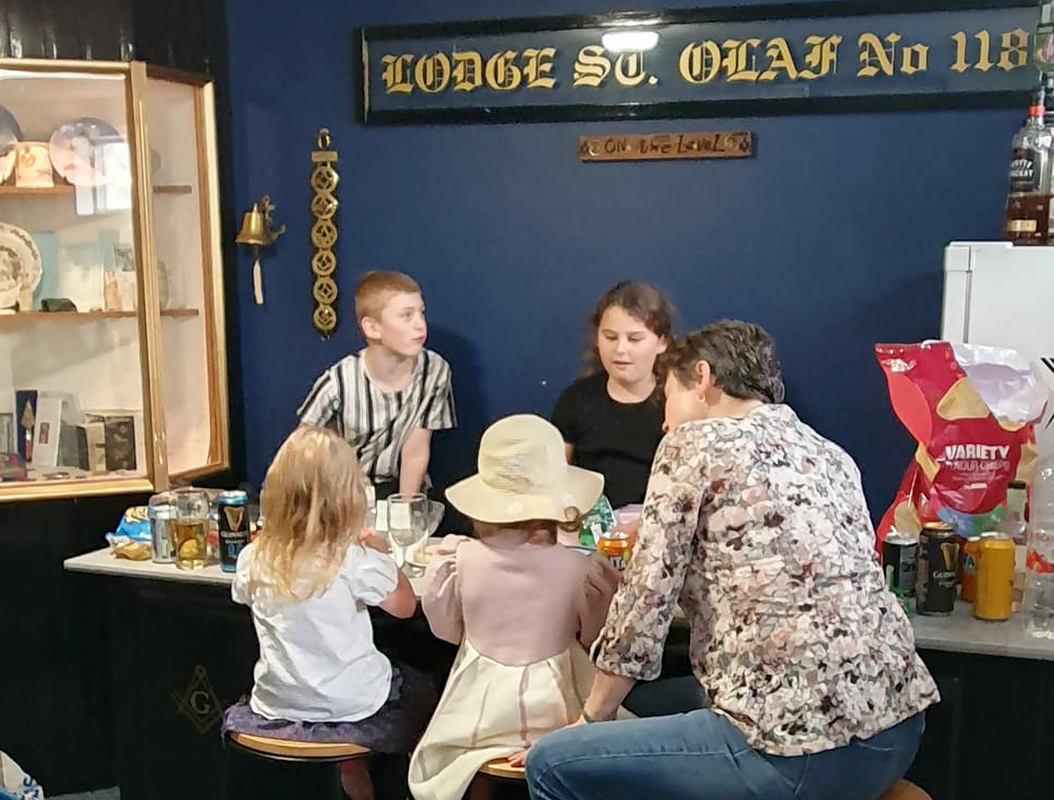
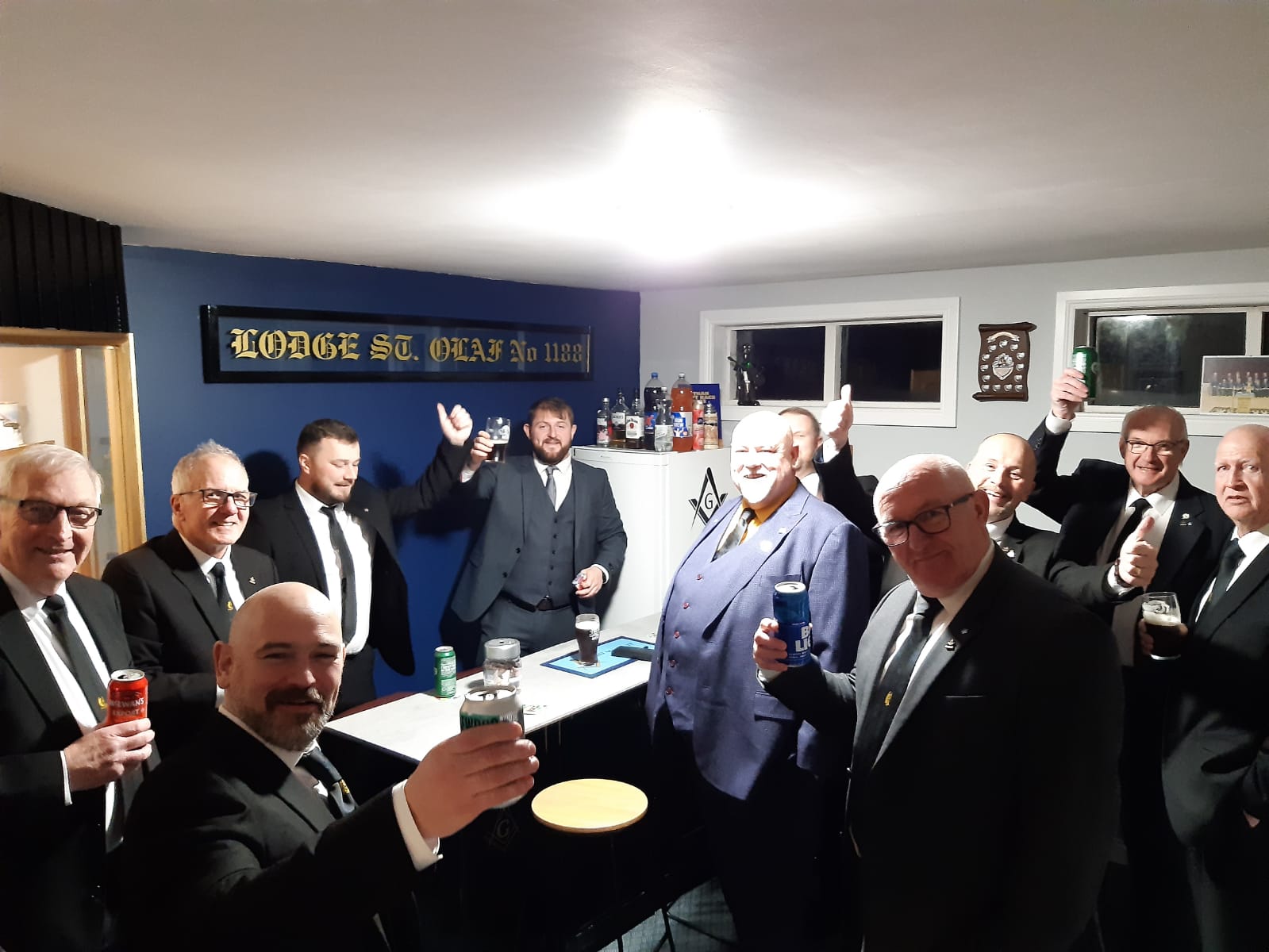
More than simply a room, ‘The Level’ has become a catalyst for countless “beer and blether” sessions, where friendships are strengthened, stories exchanged, and the spirit of brotherhood thrives in a relaxed and informal setting. These moments of fellowship, often occurring between official lodge meetings, have become an important part of the culture and character of the lodge itself.
Particularly encouraging has been the enthusiastic support shown by newer members. Many have embraced both the formal and informal opportunities to meet with brethren, becoming regular users of the space and helping to sustain its lively and welcoming atmosphere. Their continued interest speaks volumes about the importance of spaces like ‘The Level’ in fostering genuine connection within the lodge community.
Excitingly, there are already discussions about further developing and enhancing ‘The Level’ in the near future. If its success to date is any indication, the next chapter in its story promises to strengthen even further the fellowship and fraternity that inspired its creation in the first place.
Today, ‘The Level’ stands as a lasting testament to the value of vision, hospitality, and shared companionship — a place where the spirit of fraternity continues to flow as freely as the conversation, the laughter, and indeed, the beer.